14 Jun 2026
Advanced Payment Ecosystems Redefining Operational Approaches at Open-Air Racing Venues

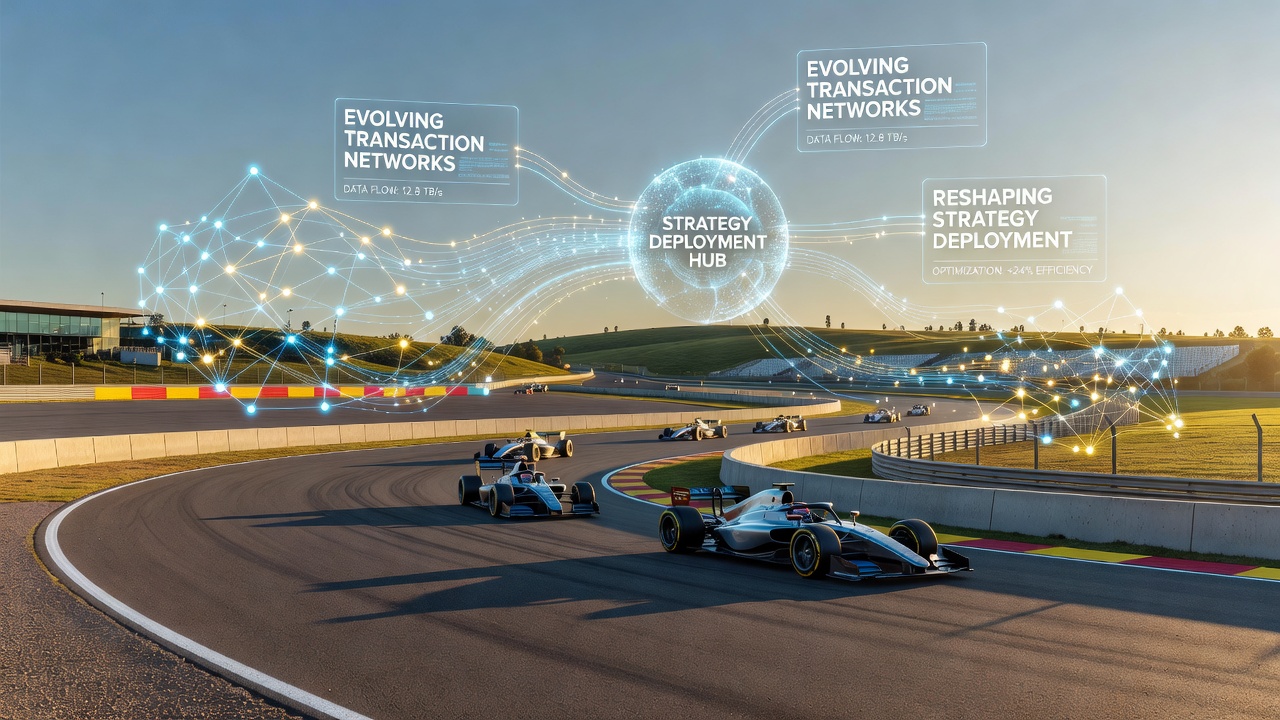
Transaction networks built on distributed ledgers and instant settlement protocols continue to alter how managers at outdoor racing circuits coordinate resources, schedule events, and allocate capital across multiple venues. These systems connect payment rails directly to operational software, which means that entry fees, vendor disbursements, and prize distributions flow without the delays once common in legacy banking channels. Observers note that circuits adopting these networks gain the ability to adjust staffing levels and equipment deployments within hours rather than days when ticket sales or sponsorship inflows arrive in real time.
Core Components Driving the Shift
Modern networks combine blockchain-based settlement layers with application programming interfaces that link directly to circuit management platforms, and this integration lets administrators monitor cash positions continuously while forecasting short-term liquidity needs. Data from several North American and European circuits shows that average settlement times for participant payouts dropped from 72 hours to under four hours after full implementation, which in turn supports more precise scheduling of maintenance crews and security personnel. Researchers at institutions tracking sports infrastructure report that the same platforms also enable dynamic pricing for concessions and parking, feeding revenue figures straight into daily strategy models used by operations teams.
Strategy Adjustments Observed in 2026
By June 2026 multiple circuits had begun embedding predictive modules that pull live transaction volumes to recalibrate staffing matrices each morning, and this practice reduced overtime expenditures by measurable margins according to internal audits shared with industry associations. Managers now route supply orders through automated triggers tied to projected attendance derived from advance digital ticket sales, which removes much of the guesswork that previously required conservative buffer orders. One case involved a Midwest venue that linked its fuel procurement system for support vehicles to incoming sponsorship transfers, allowing just-in-time deliveries that cut storage costs while maintaining uninterrupted track operations.
Regional Regulatory Influences
Authorities in Canada and Australia have issued guidance encouraging circuits to maintain transparent audit trails within these new networks, which has prompted operators to adopt standardized reporting formats compatible with both local tax agencies and international racing federations. The approach aligns with frameworks outlined by the Australian Treasury digital assets review, where emphasis falls on interoperability rather than prescriptive technology choices. Meanwhile, the Bank of Canada financial system review highlights how real-time rails support smaller venues that previously struggled with cash-flow timing during multi-week outdoor meets. Circuits in these jurisdictions report smoother coordination between ticketing systems and prize pools, because funds move without manual reconciliation steps that once created bottlenecks.
Technology Adoption Patterns
Venues that phased in hybrid solutions combining permissioned ledgers with existing enterprise resource planning tools experienced fewer integration issues than those attempting full replacements, and this gradual path allowed staff training to occur alongside live events. Software vendors now supply dashboards that overlay transaction velocity metrics onto circuit maps, revealing which sections of the venue generate the fastest inflows during peak hours. Those insights feed into deployment decisions such as positioning additional mobile payment stations or reallocating broadcast crews to high-traffic zones, and the feedback loop tightens further each season as historical data accumulates.
Future Integration Pathways
Industry groups anticipate continued expansion of programmable payment features that could tie sponsorship releases to specific performance milestones during a meet, and early pilots already demonstrate how conditional transfers activate automatically once lap-timing systems record verified results. Such capabilities would let circuit strategists model multiple scenarios in advance, adjusting marketing spend or hospitality layouts based on projected inflows without waiting for end-of-day reports. The same infrastructure supports cross-border participant payments for international series, reducing currency conversion friction that previously complicated prize structures at globally traveling events.
Conclusion
Transaction network evolution continues to supply outdoor racing circuits with granular, timely financial data that directly informs daily and weekly operational choices. Circuits integrating these tools report tighter alignment between revenue timing and resource deployment, while regulatory environments in multiple regions encourage standardized transparency measures that further stabilize the underlying systems. As adoption widens, the ability to link incoming funds to immediate tactical adjustments stands to become a baseline expectation rather than a competitive edge.