12 Jun 2026
Biometric Authentication on Smartphones Simplifies Entry at Horse Racing Tracks
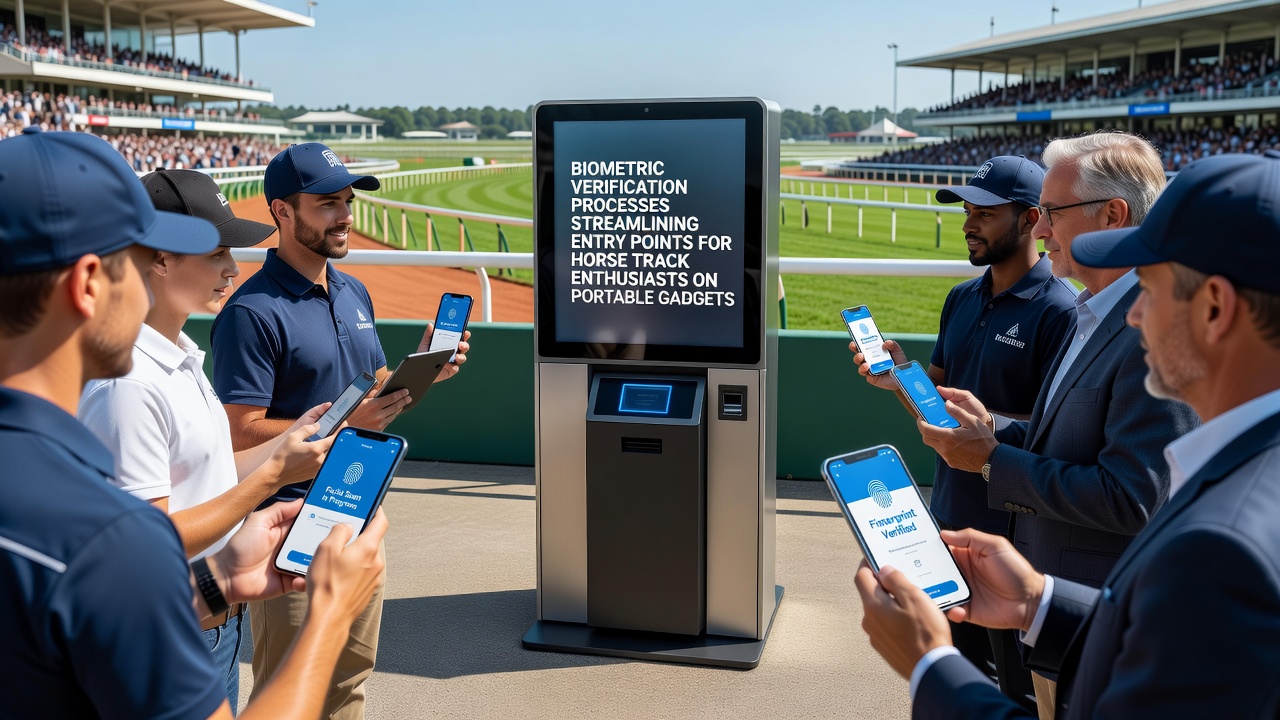
Biometric verification processes have gained traction across multiple racetracks as facilities integrate facial recognition and fingerprint scanning into mobile applications, allowing enthusiasts to bypass traditional ticket lines and move directly through designated entry gates. These systems rely on encrypted data stored locally on portable gadgets, which match live scans against pre-registered profiles before granting access. According to figures released by the California Horse Racing Board, several venues reported measurable reductions in average wait times after deploying such technology during the 2025 season.
Core Components of Mobile Biometric Systems
Modern implementations combine multiple authentication layers that operate within dedicated smartphone apps developed by track operators or third-party vendors. Users complete an initial enrollment process that captures facial geometry or fingerprint patterns, then link these details to their accounts for recurring visits. The technology processes verification requests in under two seconds in most documented cases, according to testing data shared at industry conferences. Tracks in North America and parts of Europe have adopted standards that require multi-factor confirmation, combining biometrics with device-specific tokens to maintain security protocols.
Researchers at the University of Kentucky's Equine Research Center documented how these platforms integrate with existing gate hardware, enabling real-time updates to entry permissions when account status changes. The same study noted that error rates for false rejections dropped below 0.8 percent once calibration routines incorporated diverse lighting conditions common at outdoor venues.
Implementation Patterns Observed Through Mid-2026
By June 2026, multiple thoroughbred facilities had expanded pilot programs that began two years earlier. Tracks in Kentucky and New York led early adoption, while Canadian operators in Ontario introduced parallel systems tied to provincial racing licenses. These deployments often coincide with upgrades to Wi-Fi infrastructure that supports high-volume simultaneous verifications during peak racing days. Data compiled by the Ontario Racing Commission indicates that participating venues handled 15 to 20 percent more patrons per gate during major events compared with the prior season.
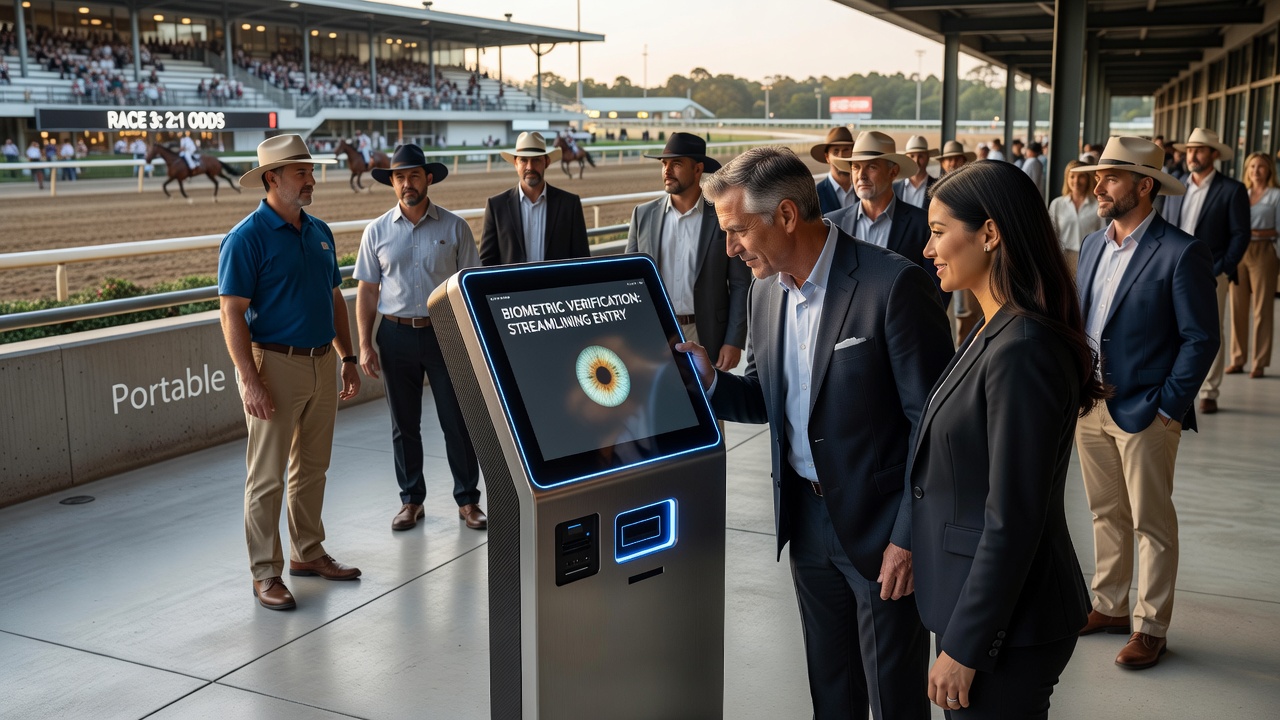
What's interesting is how the same biometric frameworks also support secondary functions such as digital wallet top-ups and seat reservations once entry is confirmed. This layered approach reduces the number of separate transactions an attendee must complete, which in turn eases pressure on customer service staff stationed near entrances. Facilities that combined biometric entry wth loyalty program integration reported higher repeat-visit rates in internal summaries shared with state regulators.
Security and Regulatory Considerations
Regulatory bodies across jurisdictions have established guidelines that require regular third-party audits of biometric databases and encryption methods. The New York State Gaming Commission mandates annual penetration testing for any mobile system handling patron identities, while similar requirements appear in Australian racing codes administered by state authorities. These audits focus on preventing unauthorized data extraction and ensuring that stored templates cannot be reverse-engineered into usable images.
One case study from a Midwestern track revealed that implementing device-bound encryption keys prevented credential sharing between accounts, a practice that had previously led to entry discrepancies during high-demand weekends. Observers note that such measures align with broader industry efforts to meet emerging data protection standards without slowing throughput at busy gates.
Technical Challenges and Ongoing Adjustments
Despite steady progress, operators continue to address variables such as extreme weather affecting sensor accuracy and varying smartphone hardware capabilities among users. Software updates released in early 2026 introduced adaptive algorithms that recalibrate for low-light evening races and high-glare afternoon conditions. Those who've studied deployment logs at multiple sites report that fallback manual verification lanes remain available for instances where biometric matches fall outside confidence thresholds.
Training programs for gate personnel have shifted toward troubleshooting app-related issues rather than processing paper tickets, reflecting the changing operational landscape. Industry reports suggest that initial capital outlays for hardware retrofits are typically recovered within two full racing seasons when labor savings and increased capacity are factored together.
Conclusion
Biometric verification on portable gadgets has become an established component of entry management at numerous horse racing venues, supported by measurable improvements in processing speed and regulatory compliance. Continued refinement of algorithms and hardware standards points toward wider application across additional jurisdictions as infrastructure investments continue through the remainder of 2026 and beyond.