22 Jul 2026
Biometric Integration Transforms Real-Time Pricing Across Stadium Betting Platforms
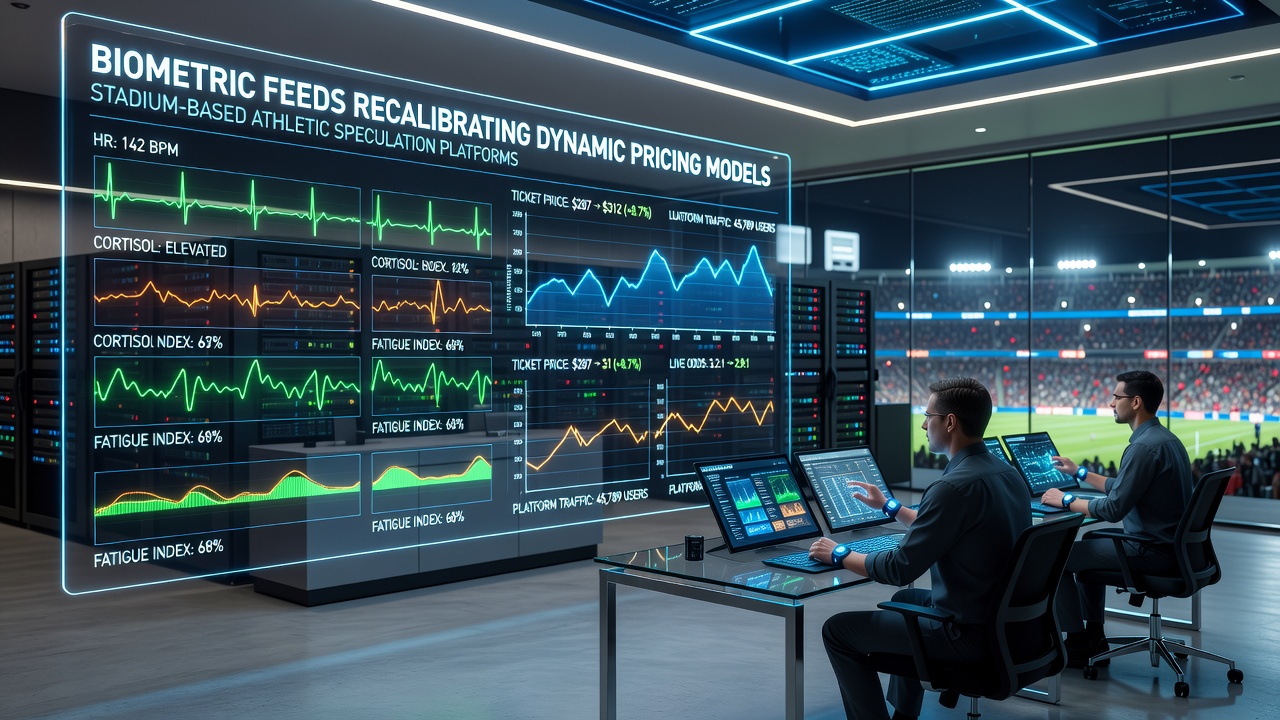
Stadium operators and platform developers have begun incorporating biometric sensor data into dynamic pricing systems that adjust betting odds during live events, and this shift gained momentum through 2026 as venues upgraded infrastructure to handle continuous physiological inputs from spectators. Heart rate monitors, wearable devices, and seat-embedded sensors feed real-time information into algorithms that recalibrate odds on various athletic outcomes while games unfold, creating tighter connections between crowd physiological states and pricing fluctuations.
Core Mechanisms Driving the Recalibration Process
Data streams from biometric devices capture metrics such as elevated heart rates during high-stakes moments, changes in skin conductance indicating collective tension, and movement patterns that reflect audience engagement levels, while these inputs merge with traditional statistical models to modify spread calculations and payout structures on the fly. Platforms operating in major league venues report that sensor accuracy has improved through partnerships with hardware manufacturers, allowing adjustments to occur within seconds rather than minutes during peak attendance periods in July 2026.
Engineers at several North American facilities note that integration requires synchronization between venue Wi-Fi networks and external data centers, yet the resulting models demonstrate measurable responsiveness when crowd biometric spikes align with on-field developments. Regulatory bodies in Canada have issued guidance on data handling practices for these systems, emphasizing consent protocols and anonymization standards that operators must follow when processing spectator information.
Regional Adoption Patterns and Infrastructure Upgrades
Venues across Europe and Australia have tested similar biometric overlays on existing betting terminals, with Australian state gaming authorities publishing compliance frameworks that address sensor data usage in public spaces. These frameworks require operators to maintain audit trails for every pricing change triggered by physiological inputs, and early implementations show reduced latency between data capture and odds updates compared with legacy systems.
One study conducted by a European research consortium examined sensor deployment at three soccer stadiums and found that biometric recalibrations correlated with shifts in betting volume during penalty shootouts, while similar patterns emerged in North American basketball arenas during playoff sequences. Infrastructure costs remain a barrier for smaller facilities, although larger operators have offset expenses through partnerships that supply both hardware and algorithmic support.
Technical Challenges and Data Processing Standards
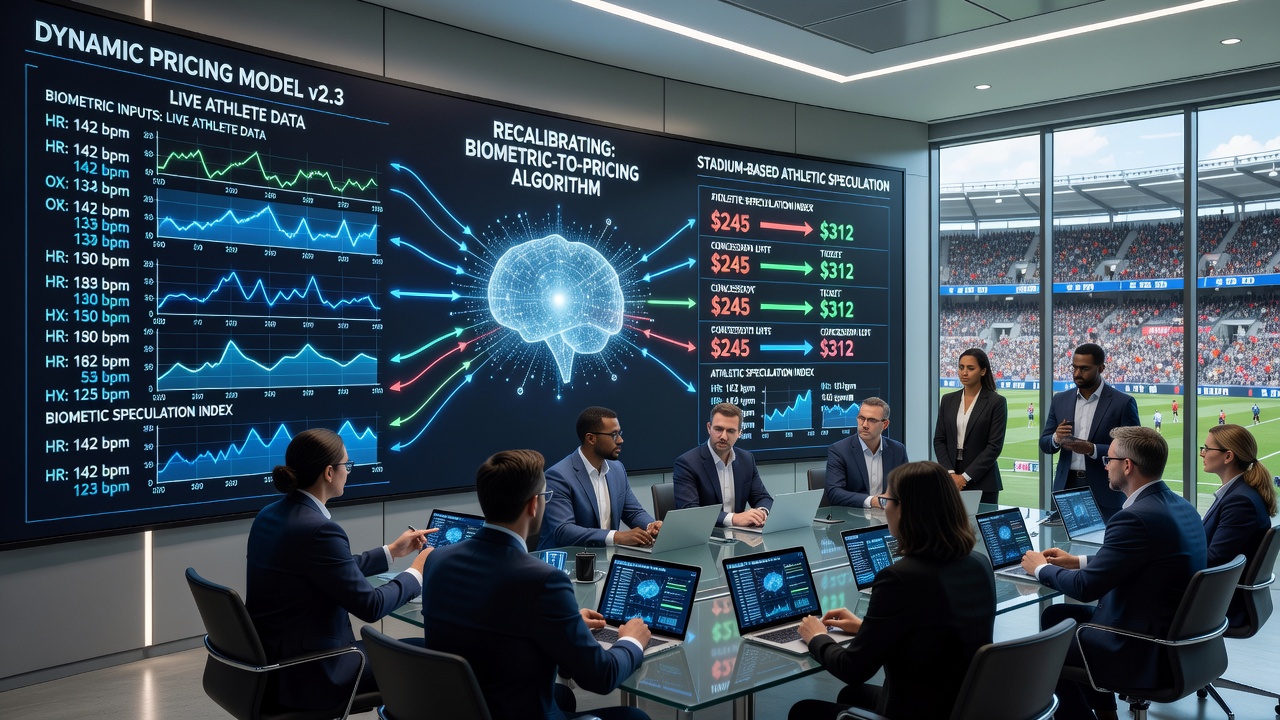
Processing high-volume biometric streams demands robust edge computing solutions that filter noise before transmitting to central pricing engines, and developers continue refining protocols to handle signal interference from dense crowds. Industry reports indicate that false positives in arousal detection can temporarily skew models, prompting teams to layer additional verification steps such as cross-referencing with video analytics and historical crowd behavior data.
Academic institutions in multiple countries have contributed open-source toolkits for normalizing biometric readings across different device types, which helps standardize inputs for platforms that aggregate feeds from mixed hardware ecosystems. These toolkits support consistent recalibration outputs even when sensor density varies between seating sections.
Future Trajectory for Sensor-Driven Pricing Models
Continued expansion depends on evolving privacy regulations and advances in non-intrusive sensor technology that reduces the need for individual wearables. Observers note that July 2026 deployments at several international tournaments provided additional datasets for refining algorithms, particularly in environments where spectator density reaches maximum capacity. Trade associations representing gaming technology providers have begun hosting working groups focused on interoperability standards that would allow seamless data exchange between competing platform operators.
Evidence from pilot programs suggests biometric integration can stabilize pricing volatility during unexpected game events, although full-scale deployment across all major leagues remains gradual. Those tracking the sector point to ongoing trials in Asia-Pacific venues as indicators of broader geographic spread in coming seasons.
Conclusion
Biometric sensor integration continues to reshape how dynamic pricing operates within stadium-based athletic speculation environments, supported by incremental infrastructure improvements and regulatory adaptations across multiple regions. Data from 2026 implementations highlights both operational gains and persistent technical hurdles that developers address through iterative refinements. As sensor networks expand and processing standards mature, the linkage between physiological crowd signals and real-time pricing adjustments is expected to deepen without requiring wholesale replacement of existing venue systems.