3 Jun 2026
Blockchain Ledger Updates Transform Claim Processes for International Sports Match Predictors on Mobile Devices
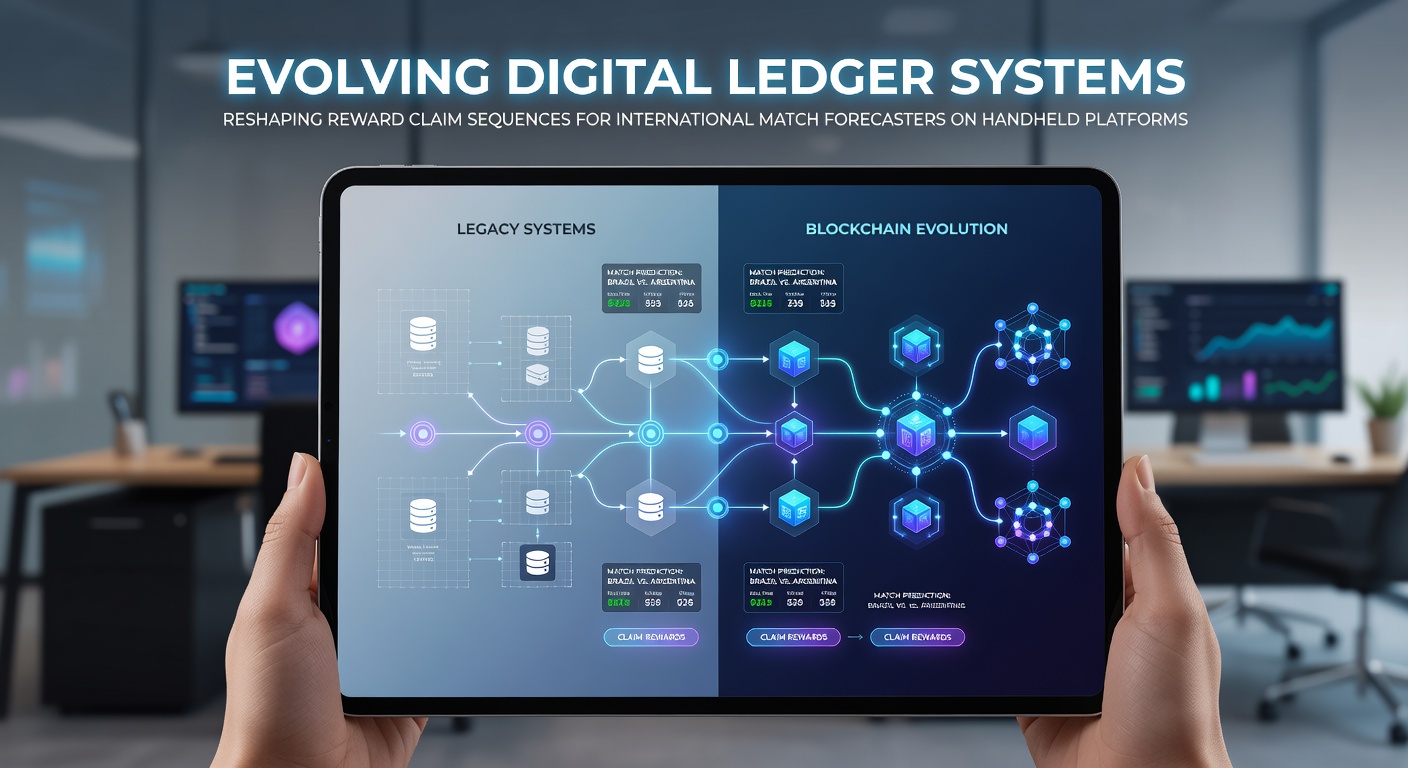
Digital ledger technologies continue to modify how reward sequences operate within international sports prediction platforms that run on handheld devices, and these shifts have gained momentum through June 2026 as operators integrate more advanced blockchain protocols into mobile applications. Systems built on distributed ledgers allow forecasters from multiple countries to access bonuses and winnings through automated verification steps that replace older centralized databases, which often required manual approvals and extended waiting periods.
Core Mechanisms Driving Ledger Integration
Smart contracts form the foundation of these updated sequences, executing reward releases once predefined conditions such as correct match forecasts or deposit thresholds get met on the network. International users benefit from reduced intermediary involvement because the ledger records every transaction across nodes located in various regions, creating a transparent trail that mobile apps can query in real time. Data from industry reports indicates that platforms adopting these contracts have shortened average claim times from several days to under an hour in many documented cases.
Handheld devices receive these updates through application layers that connect directly to permissioned or public blockchains, and synchronization occurs via secure API calls that maintain user privacy while confirming eligibility. Observers note that this architecture supports cross-border participation because ledger entries remain consistent regardless of local banking restrictions or currency differences, which helps forecasters in regions with limited traditional payment options.
Regional Adoption Patterns Through Mid-2026
European operators began rolling out ledger-based reward modules in early 2025, and by June 2026 several major platforms reported that over 60 percent of mobile bonus claims processed through smart contract triggers according to figures released by the European Gaming and Betting Association. North American services followed similar timelines, with Canadian provincial regulators publishing guidelines that encourage blockchain pilots for faster settlement of prediction market incentives. Australian authorities have tracked comparable developments through their communications regulator, noting increased mobile traffic linked to instant ledger verifications during international soccer and tennis events.

Asia-Pacific markets show distinct growth as well, with operators in Singapore and Japan testing hybrid ledger models that combine public chains for transparency with private segments for user data protection. Research from academic institutions such as the University of Melbourne highlights that these configurations reduce dispute rates because immutable records allow forecasters to review claim histories directly on their devices without contacting support teams.
Security and Compliance Considerations
Ledger systems incorporate cryptographic proofs that verify user identities and prediction accuracy before releasing rewards, which limits opportunities for fraudulent claims across international boundaries. Mobile platforms integrate multi-signature requirements and time-locked contracts to align with varying regulatory standards, and compliance teams monitor node activity through dashboards that flag anomalies in real time. Organizations including the International Betting Integrity Association have documented fewer instances of bonus abuse in environments where distributed ledgers replace traditional databases.
Users encounter these features through simplified interfaces that display pending claims alongside estimated completion times based on network confirmations, and the process requires no additional software beyond the standard betting application. What's notable is how these sequences adapt to peak periods such as major tournaments, where transaction volumes rise yet processing remains consistent due to the scalable nature of the underlying protocols.
Future Trajectories for Mobile Prediction Markets
Developers continue refining interoperability standards that let different ledger networks communicate, enabling forecasters to move rewards between platforms without converting currencies or waiting for external approvals. Studies from research centers in Canada indicate that such advancements could further compress claim sequences to seconds rather than minutes as adoption widens through the remainder of 2026. Regulatory bodies across multiple continents maintain ongoing reviews of these technologies to balance innovation with consumer safeguards, yet current implementations already demonstrate measurable efficiency gains in reward distribution.
Conclusion
Digital ledger systems have established new operational baselines for reward claim sequences on handheld platforms used by international sports forecasters, and continued refinements through June 2026 point toward even tighter integration with mobile ecosystems. The combination of smart contracts, cross-regional node networks, and automated verification has altered traditional timelines while supporting broader participation regardless of geographic constraints. As platforms expand these capabilities, the focus remains on maintaining security protocols and regulatory alignment that keep sequences reliable for users worldwide.