21 Jun 2026
Collaborations Between Mobile Apps and Indoor Arenas Advance Accumulator Designs in Volleyball Leagues
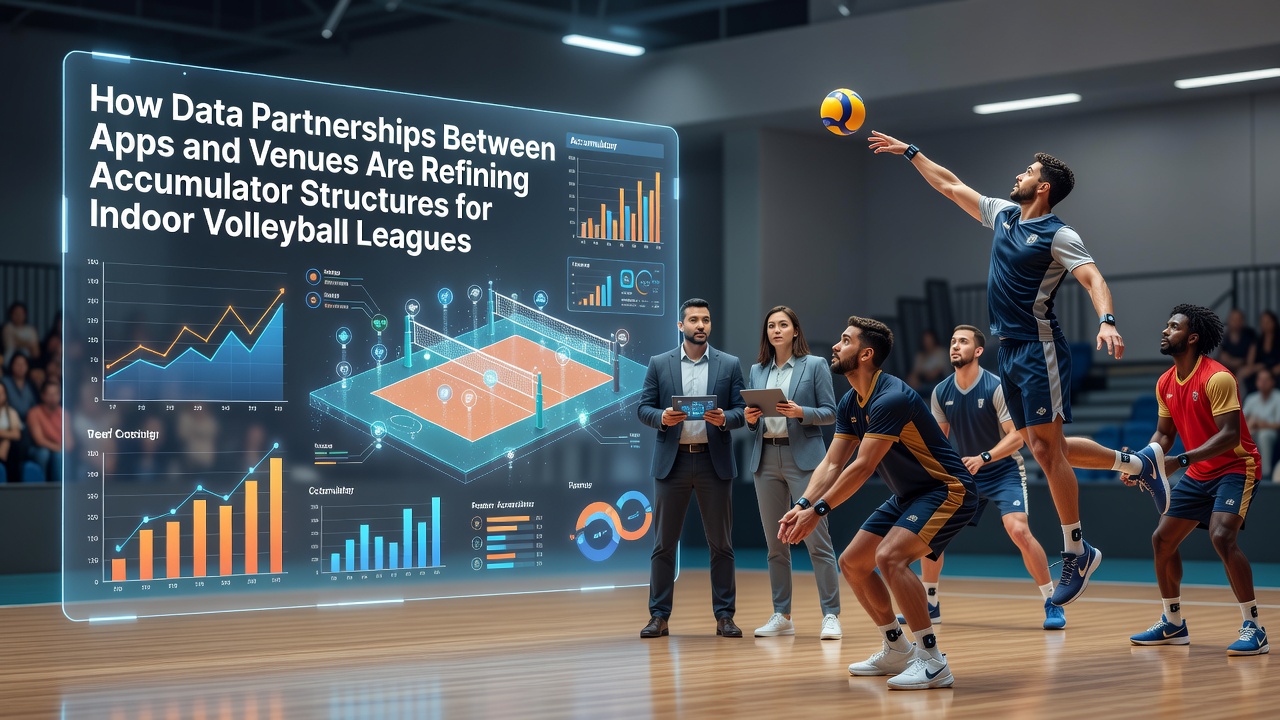 Data partnerships between betting applications and indoor volleyball venues have expanded in recent seasons as operators seek more precise inputs for accumulator structures. These agreements allow real-time transmission of match statistics, court conditions, and player availability directly into betting platforms, which in turn adjust the combinations that form multi-leg accumulators. According to figures released by the European Gaming and Betting Association, such integrations increased by 18 percent across European indoor sports facilities between 2025 and 2026. Venues equipped with sensor networks now feed ball-tracking data and serve-speed metrics straight to partnered apps. This flow replaces older manual reporting systems and lets algorithms recalculate accumulator odds during live play. Observers note that leagues in North America and parts of Asia adopted similar setups earlier this year, with several facilities completing installations ahead of the June 2026 schedule.
Core Components of the Partnerships
Each arrangement typically involves three layers of data exchange. First, venue hardware captures positional information from players and the ball. Second, the venue's central server anonymizes and packages selected metrics. Third, the receiving app incorporates those metrics into accumulator builders that combine sets, points, or player-specific outcomes. Research from the University of Queensland's sports analytics group shows that these layered exchanges reduce latency in odds updates by an average of 4.2 seconds compared with previous methods.
Venues retain control over which data streams they release, while apps handle the final formatting into accumulator selections. This division keeps sensitive operational details inside the arena while still supplying enough detail for refined betting products. Figures from Australia's Interactive Gambling Act compliance reports indicate that indoor volleyball accounts for a growing share of such structured data feeds among non-team sports.
Impact on Accumulator Construction
Accumulator structures have grown more granular because of the added inputs. Where earlier versions relied on broad win-loss or set-total outcomes, newer versions now incorporate variables such as service error rates or reception efficiency drawn from venue sensors. One study released by the Canadian Centre for Gaming Research documented a 27 percent rise in accumulator combinations offered for indoor volleyball matches after facilities began sharing live positional data in early 2026.
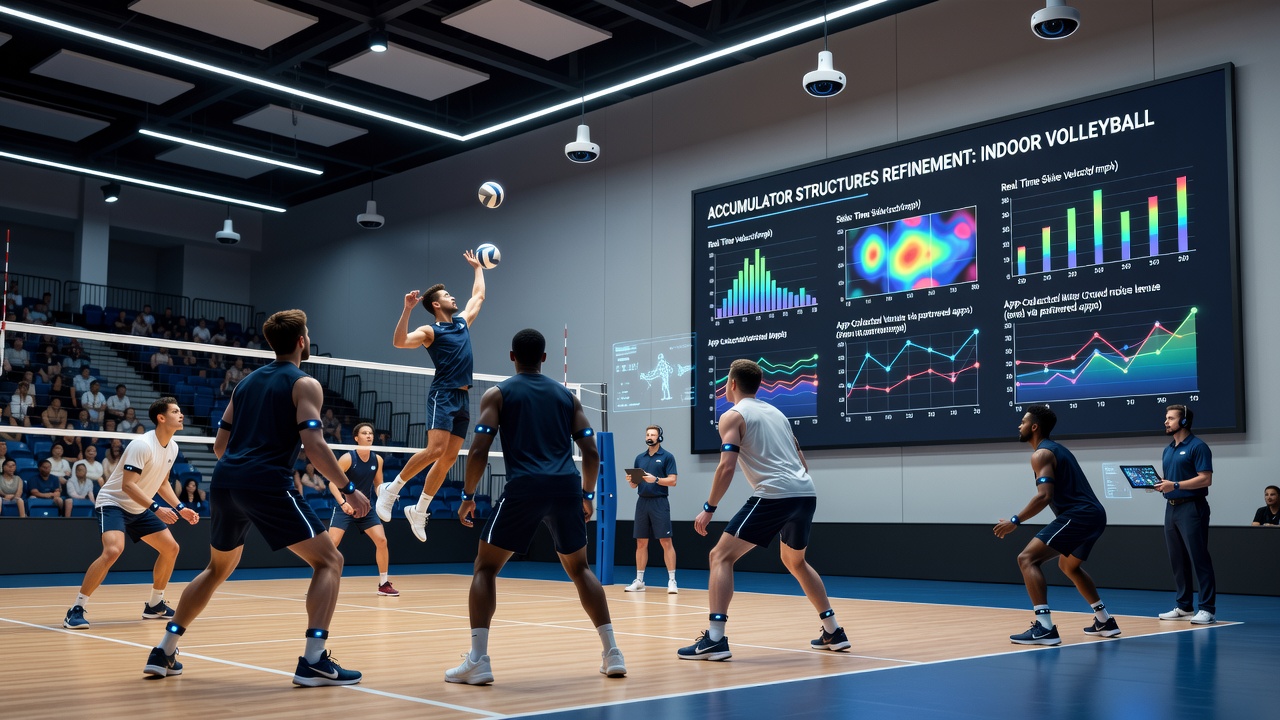
Operators report that these refinements allow accumulators to settle in smaller increments rather than waiting for full match conclusions. Partial settlements based on completed sets or quarters have become standard in several partnered markets. Data from the Malta Gaming Authority shows that settlement windows for volleyball accumulators shortened by an average of 11 minutes per match during the spring 2026 period.
Regional Adoption Patterns
North American leagues moved first, with several collegiate conferences signing data agreements in late 2025. European circuits followed during the winter indoor season, while Asian leagues completed pilot programs by May 2026. Each region adapted the same core model to local regulatory requirements, yet the technical backbone remains consistent across borders. Those who've examined the contracts note that venue-app partnerships usually include clauses requiring quarterly audits of data accuracy.
League officials in multiple countries have begun publishing aggregated statistics derived from the same sensor networks used in the partnerships. This public release creates a secondary data layer that independent analysts can cross-reference against app-generated accumulators. Evidence collected by the Japan Sports Agency indicates that transparency measures of this type correlate with higher user retention on platforms offering volleyball products.
Technical Standards and Security Measures
Most partnerships now require encryption protocols that meet ISO 27001 specifications for sports data transmission. Venues install dedicated gateways that strip personally identifiable information before any packet leaves the building. Apps, in turn, must demonstrate compliance with regional data-protection statutes before receiving live feeds. These steps emerged after initial pilot projects revealed vulnerabilities in earlier, less secure connections.
Hardware upgrades at arenas include high-speed cameras and wearable tags for players, all synchronized to a single time stamp. Synchronization allows accumulator engines to align events across multiple matches taking place in different venues on the same evening. Researchers at the Technical University of Munich documented that synchronized feeds cut reconciliation errors in multi-leg accumulators by roughly 15 percent during test periods.
Conclusion
Partnerships between apps and indoor volleyball venues continue to supply the raw material for more detailed accumulator structures. The same sensor networks that generate live statistics also support partial settlements and finer combination options. Data from multiple regulatory bodies and academic sources shows measurable changes in update speed, settlement timing, and the number of available selections. As additional leagues complete installations, the pattern of refined accumulator products is expected to extend further into the 2026 season and beyond.