17 Jul 2026
Evening Harness Racing Circuits Face Payout Timing Challenges
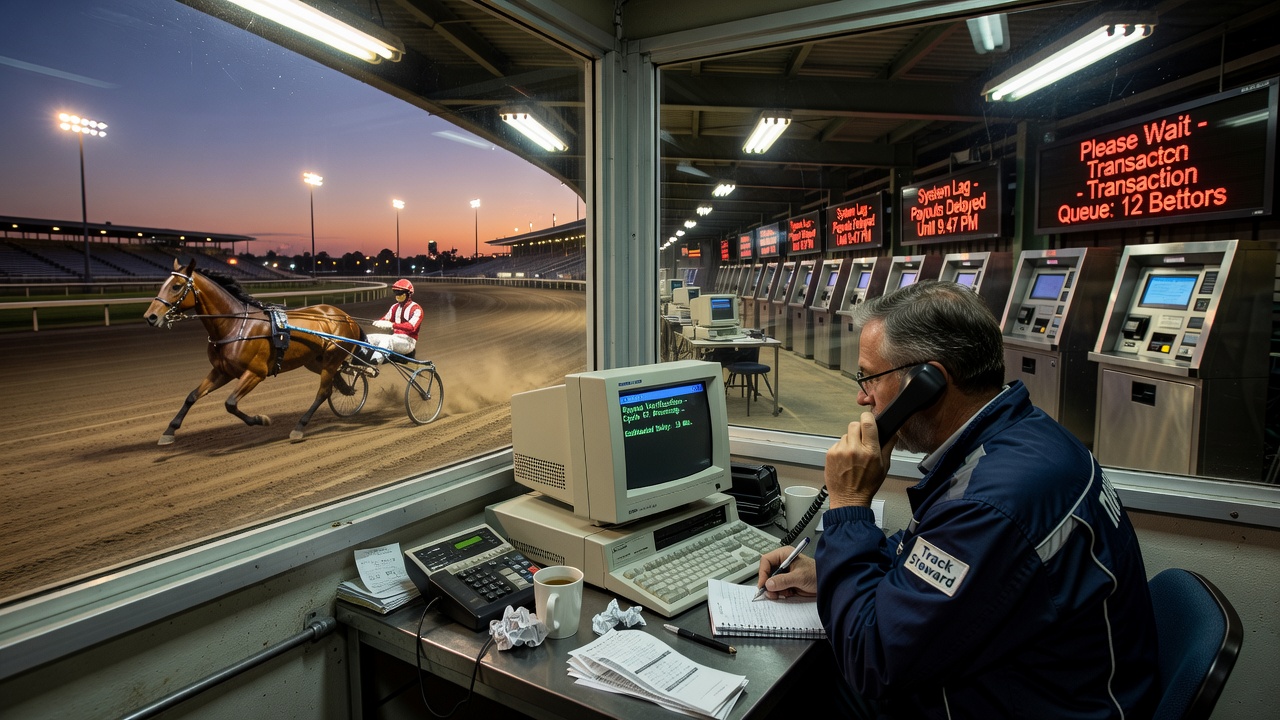
Evening harness racing circuits operate under tight schedules that stretch from late afternoon post times into the night, and payout cycles often extend beyond the final race because multiple verification steps run in sequence. Track officials process race results, confirm photo finishes, and clear all wagers through centralized systems before releasing funds, and this layered approach creates natural pauses even when everything functions smoothly.
Data from state racing authorities shows that average settlement windows for evening meets run 45 to 90 minutes longer than daytime thoroughbred events, largely because harness programs feature more races per card and higher volumes of exotic wagers that require additional cross-checks.
Core Processing Steps That Extend Settlement Times
Each evening card generates thousands of tickets across win, place, show, and multi-leg bets, so tote systems must reconcile every combination against official order of finish before any money moves. Regulators in multiple jurisdictions require a final audit of the pool totals and a sign-off from the presiding judge, and those two actions alone add measurable time after the last sulky crosses the line.
Track management teams coordinate with tote operators and banking partners to stage the transfer of funds, yet the handoff between these parties introduces another checkpoint that cannot be skipped. When a dead heat or inquiry occurs, the entire sequence pauses until the stewards issue a ruling, and such interruptions appear more frequently in harness racing because drivers and horses remain closer together throughout the mile.
Technology and Connectivity Factors at Play
Modern tote systems rely on real-time data feeds that connect trackside equipment to off-site servers, and any momentary lag in those connections can push the final reconciliation later into the night. Evening meets often coincide with peak mobile betting traffic, which places extra load on the same networks that carry result updates, and observers note that simultaneous surges in activity sometimes slow the upload of official charts.
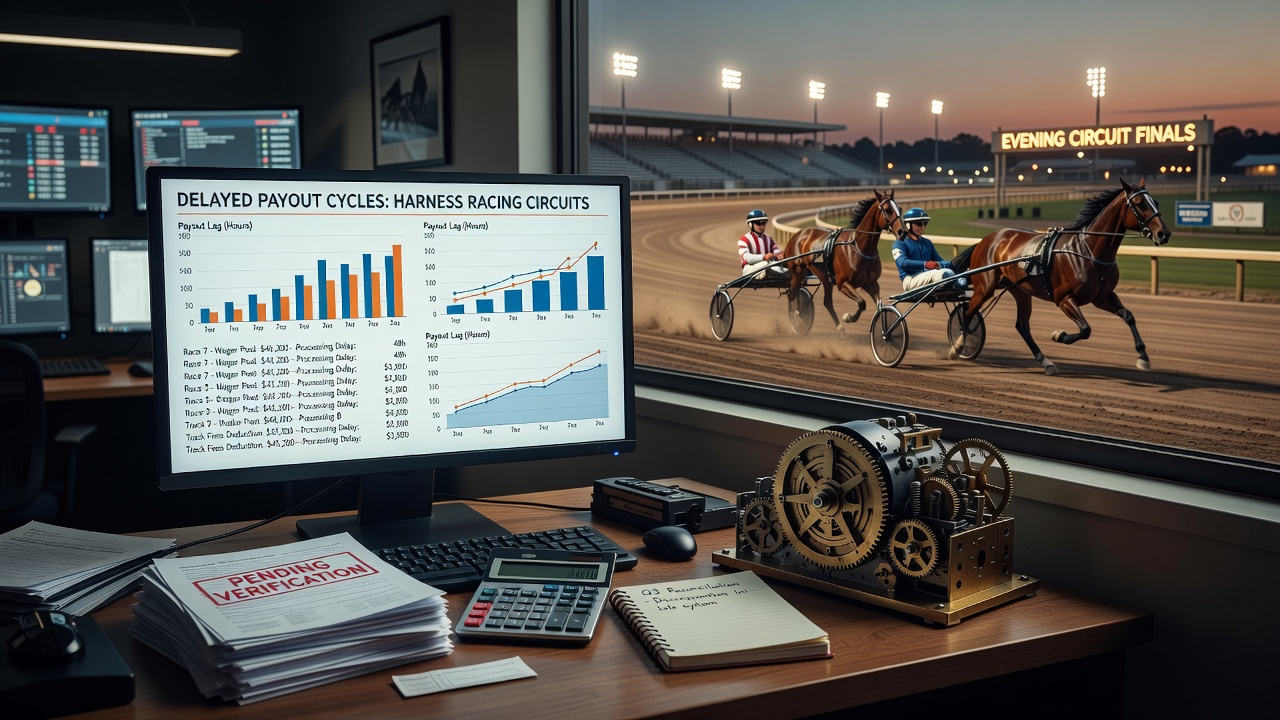
According to reports issued by the New York State Gaming Commission, harness tracks in the Northeast documented a 12 percent increase in average payout latency during July 2026 compared with the same month the prior year, coinciding with expanded use of in-app cash-out features. Similar patterns emerged in Ontario, where the Alcohol and Gaming Commission of Ontario recorded extended settlement windows on nights when simulcast signals from multiple tracks converged on the same processor.
Regulatory and Financial Safeguards
State and provincial rules mandate that all pools undergo independent verification before funds leave the tote account, and this requirement protects both bettors and tracks from errors that could otherwise lead to overpayments. The process includes matching the declared payoffs against the actual dollars in each pool, a step that becomes more complex when carryover jackpots from prior nights remain active.
Banking partners further require a batch file that lists every winning ticket before they authorize electronic transfers, and those files are typically generated only after the stewards release the official chart. Evening circuits therefore finish their racing later than daytime programs, which shifts the entire batch process deeper into the evening hours when fewer staff remain on site to handle exceptions.
Case Examples From Recent Meets
One harness track in Pennsylvania experienced repeated 75-minute delays throughout July 2026 after a software update altered the way multi-track wagers were flagged for review. Another facility in New Jersey adjusted its post-time schedule by 15 minutes to give the tote team additional buffer, and subsequent reports indicated that the change reduced the number of payouts still pending at midnight.
Researchers tracking betting handle across North American circuits have noted that evening harness programs generate roughly 30 percent more exotic tickets per race than comparable daytime cards, which directly lengthens the reconciliation window. Those figures appear in industry summaries published by the Association of Racing Commissioners International and align with internal data shared by several state commissions.
Conclusion
The mechanics behind delayed payouts in evening harness racing circuits stem from the combination of high wager volume, mandatory regulatory checkpoints, and the technical realities of processing results after dark. Tracks continue to refine their workflows and scheduling, yet the core sequence of verification steps remains fixed by statute and operational necessity. As mobile platforms and simulcast networks expand, the same factors that create current delays will likely shape future adjustments in how quickly funds reach winning accounts.