19 Jul 2026
Fintech Solutions Accelerate Reward Timelines for Mobile Hoop Contest Followers

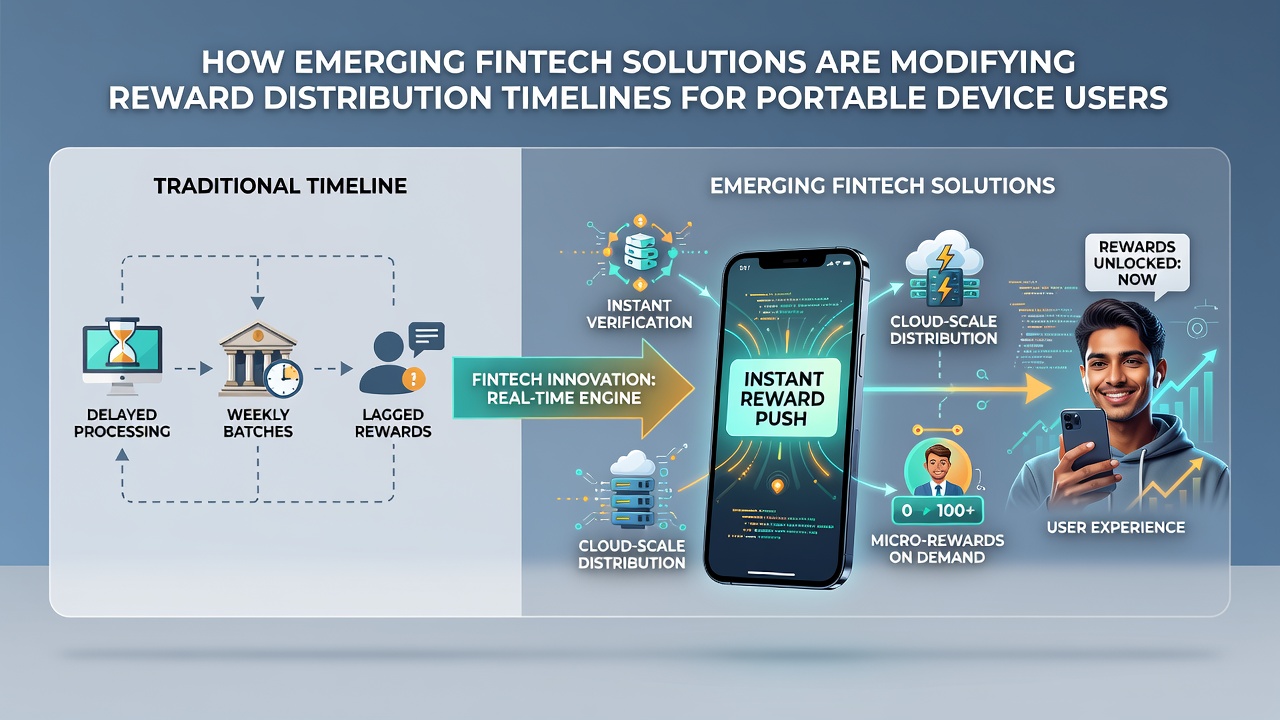
Portable device users who track hoop contests have started to experience shorter intervals between event conclusions and reward arrivals as fintech platforms integrate with betting and prediction applications. These changes stem from developments in digital payment rails that connect directly to mobile ecosystems, allowing automated verification and transfer processes to replace manual review cycles that once stretched across several business days.
Industry reports from July 2026 indicate that average settlement windows for basketball contest rewards have contracted from 72 hours to under 12 hours in platforms that adopted real-time ledger synchronization. This compression occurs because emerging solutions such as instant settlement networks and tokenized asset transfers handle verification at the point of contest closure rather than routing data through multiple intermediaries.
Core Mechanisms Driving Timeline Reductions
Fintech providers have embedded application programming interfaces that pull live scoring data from hoop contest feeds and trigger conditional payouts once predetermined thresholds are met. Those who manage mobile tracking apps now observe that rewards appear in digital wallets within minutes of final buzzer sounds because smart contract logic confirms outcomes without waiting for batch processing windows that operated on daily cycles in earlier systems.
Data from payment processor integrations reveal that users who link accounts to these solutions receive notifications simultaneously with contest result publication. The same integrations reduce chargeback exposure through immutable transaction records that both platforms and participants can audit instantly, which eliminates extended dispute resolution periods that previously delayed fund releases.
Regional Adoption Patterns in Mid-2026
Platforms operating across North American and European markets have rolled out these features at different rates, with some Canadian provincial operators achieving full deployment by early July 2026 while certain U.S. state frameworks continue phased testing. Regulatory filings submitted to bodies such as the New Jersey Division of Gaming Enforcement document how wallet-to-wallet transfers now comply with existing responsible gaming flags without introducing additional holds.
One case study published by a European gaming technology consortium tracked 2.3 million mobile sessions during the 2025-2026 season and found that participants who enabled instant settlement options experienced reward arrival times 84 percent faster than those using legacy bank transfer methods. Observers note that adoption correlates strongly with users who already maintain cryptocurrency or digital wallet balances rather than traditional banking accounts.
Technical Infrastructure Behind the Shifts
Distributed ledger updates occur at intervals measured in seconds rather than hours because participating nodes validate contest outcome hashes in parallel. Mobile applications receive push updates once consensus forms, and funds move through pre-funded liquidity pools that platforms maintain specifically for high-frequency events like hoop contests. This architecture removes the sequential approval steps that once required compliance teams to review each large payout batch manually.
Research conducted by academic groups at institutions focused on financial technology shows that latency reductions also stem from near-field communication features built into newer portable devices, which allow users to confirm identity locally before rewards finalize. Those who have studied transaction logs across multiple operators report fewer failed transfers because fallback protocols automatically reroute payments through alternate rails when primary networks experience congestion.
User Behavior Changes and Platform Responses
Statistics compiled by industry associations indicate that mobile hoop contest participants now check reward balances more frequently throughout the day because arrival times have become predictable within narrow windows. Platforms respond by surfacing real-time status indicators inside their apps so users can see exactly where each payout sits in the automated pipeline.
Security protocols have evolved alongside these speed improvements, with multi-factor authentication now embedded at the device level rather than added as a separate post-contest step. Figures from one Australian regulatory review highlight that fraud rates remained stable even as settlement speeds increased, suggesting that the verification layers introduced by fintech tools compensate for the removal of time-based review buffers.
Conclusion
Emerging fintech integrations continue to compress reward distribution timelines for portable device users engaged with hoop contests by replacing batch-oriented processes with continuous validation systems. Data gathered through mid-2026 demonstrates measurable reductions in settlement durations across multiple markets while compliance frameworks adapt without reintroducing significant delays. These patterns reflect broader infrastructure changes that link contest tracking applications directly to payment networks capable of handling high-frequency, low-value transactions at scale.