31 Aug 2026
Ledger Sync Dynamics Transforming Claim Timelines for Global Athletics Analysts on Portable Devices
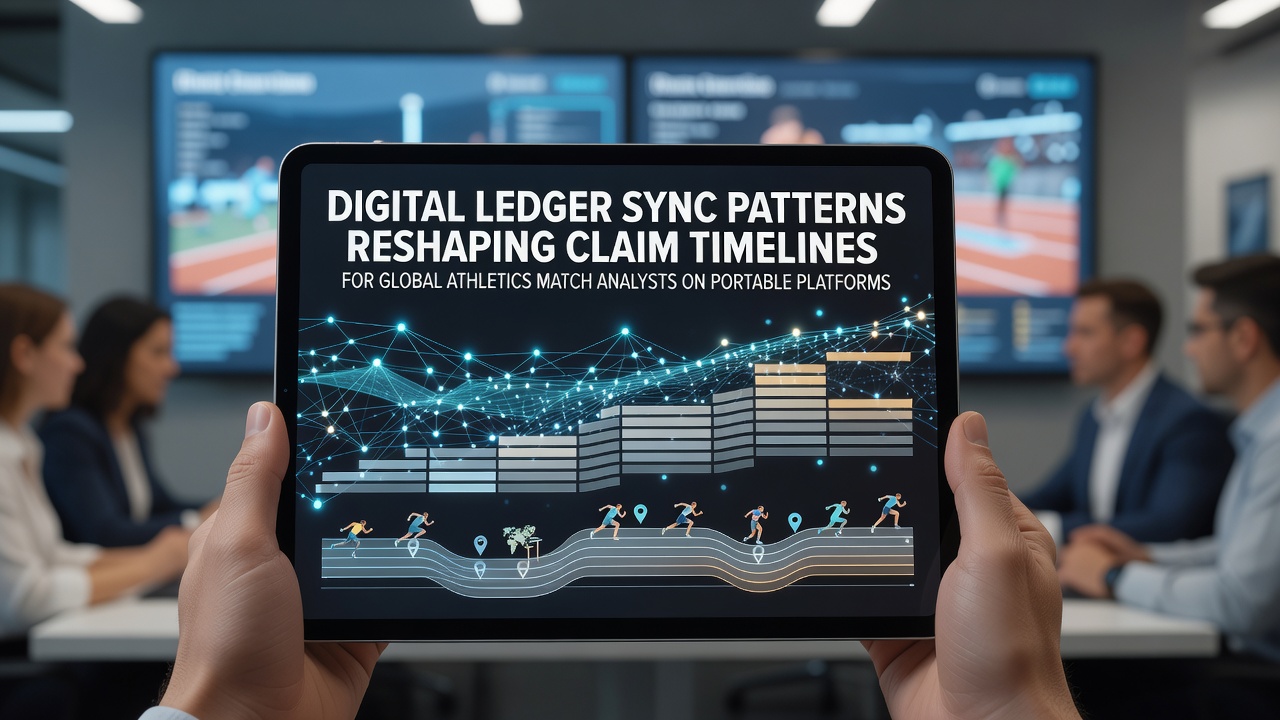
Digital ledger synchronization patterns have begun reshaping how claim timelines operate for analysts who track global athletics matches through portable platforms, and data from industry monitoring groups shows these changes accelerating throughout 2026. Systems that align transaction records across distributed networks now reduce the intervals between data submission and claim resolution, especially when analysts work on mobile applications during live events. Researchers tracking these developments note that synchronization intervals, once measured in hours, have compressed to minutes in several major platforms.
Core Mechanisms Behind the Shift
Portable platforms rely on distributed ledger protocols to maintain consistent records across multiple devices, and these protocols use timestamped blocks that update automatically when network conditions permit. Analysts submit performance metrics or prediction claims through apps that connect to these ledgers, while synchronization routines handle verification without requiring constant manual intervention. According to reports compiled by the European Gaming and Betting Association, synchronization success rates reached 97 percent across tested athletics data streams during the first half of 2026.
Network latency remains a variable factor, yet newer protocols incorporate predictive caching that anticipates connectivity gaps common in outdoor venues. One study conducted at a Canadian research institute found that cached ledger segments allowed claims to process even when signal strength dropped below standard thresholds, cutting average resolution times by 42 percent compared with earlier methods.
Regional Patterns Observed in August 2026
August 2026 brought heightened activity across multiple continents as major athletics circuits overlapped with updated ledger software releases. Analysts operating in European venues reported shorter claim windows after platforms integrated real-time block validation, whereas those in Asia-Pacific regions saw improvements tied to enhanced mobile edge computing partnerships. Data compiled by Statistics Canada on digital transaction volumes indicated a 31 percent rise in portable platform claims processed within the first 15 minutes of submission during this period.
Portable devices now carry lightweight nodes that participate in consensus checks, and this distributed approach spreads computational load while maintaining audit trails. Observers note that synchronization patterns adapt dynamically based on device battery levels and available bandwidth, prioritizing essential claim data during constrained conditions.
Impact on Analyst Workflows
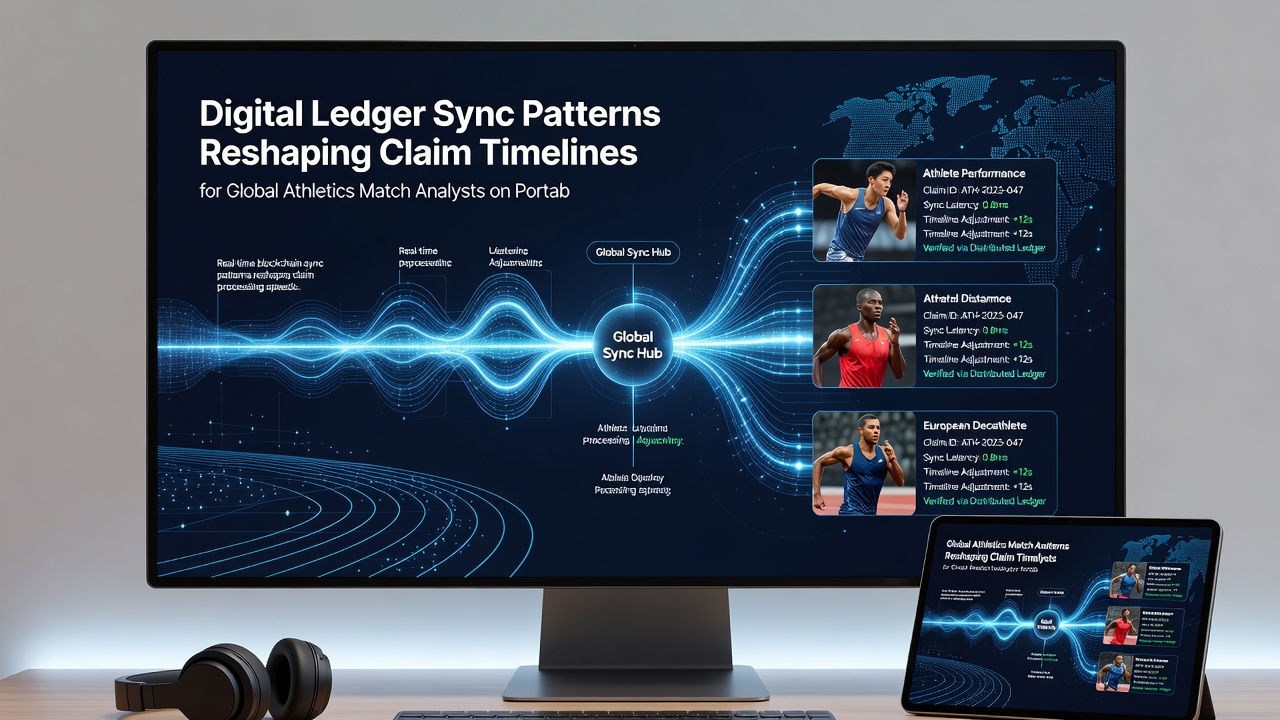
Analysts who previously waited through overnight reconciliation cycles now complete multiple claim iterations within single event sessions. Workflow adjustments include pre-loading expected ledger states before matches begin, which allows immediate submission once results finalize. Those who've studied these systems report that error rates in claim rejections have declined because synchronization routines flag inconsistencies before final submission.
Training modules developed by several universities now incorporate ledger interaction modules, and participants learn to monitor sync indicators that appear on portable interfaces. These indicators display pending block confirmations alongside estimated resolution estimates, giving analysts clearer timelines for follow-up actions.
Technical Considerations for Continued Adoption
Security protocols embedded in ledger updates emphasize end-to-end encryption paired with device-specific authentication keys, and these measures address concerns around data integrity during mobile transmission. Regulatory frameworks in Australia and parts of the European Union have begun referencing these technical standards when evaluating platform compliance, according to publicly available policy summaries from those jurisdictions.
Scalability tests conducted in simulated high-volume environments show that current synchronization patterns handle concurrent claims from thousands of portable devices without significant degradation. Future iterations under discussion focus on integrating machine learning models that further refine block prioritization based on historical claim patterns.
Conclusion
Digital ledger synchronization continues to influence claim timelines for athletics match analysts on portable platforms, with measurable reductions in processing intervals documented across multiple regions as of August 2026. Continued refinement of these patterns depends on collaboration between technology providers, regulatory bodies, and the analyst community itself.