2 Aug 2026
Network Outages Reshaping Reward Delivery for Soccer Prediction Apps on Mobile Devices
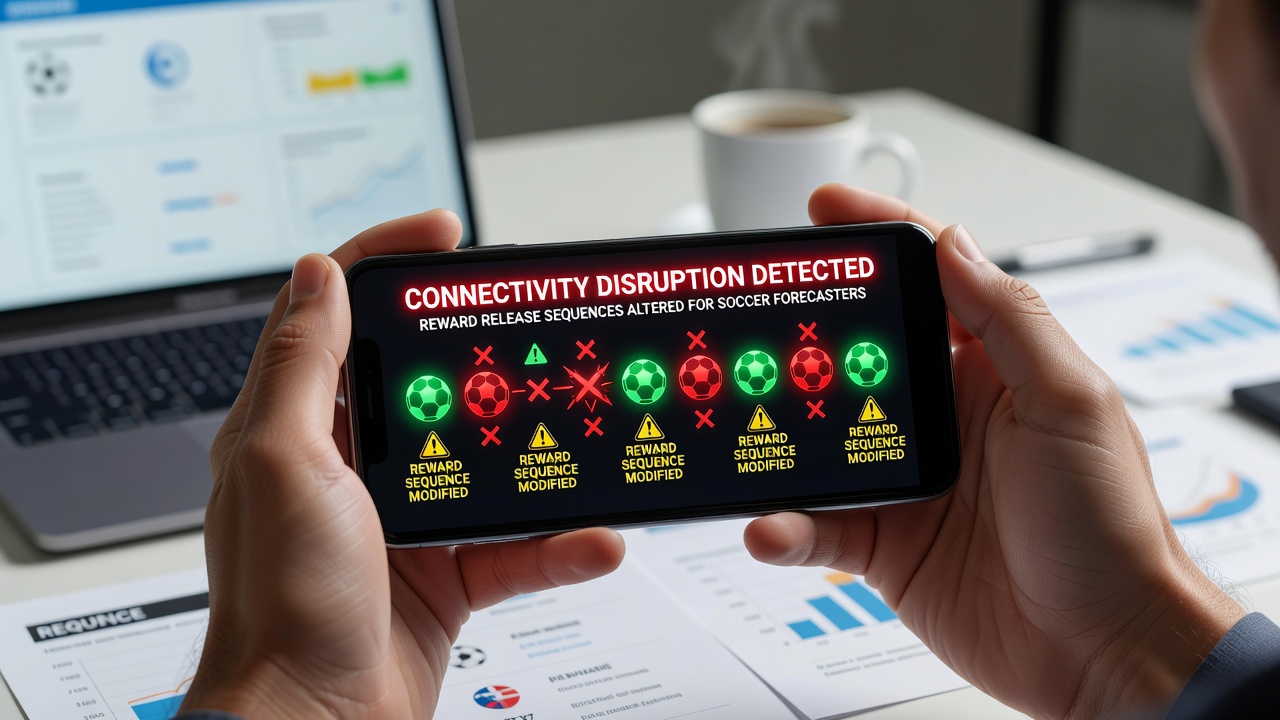
Connectivity disruptions have begun altering the timing and order of reward releases for soccer forecasters who rely on handheld interfaces, and data from multiple markets shows these interruptions often rearrange payout sequences in ways that affect user accounts across major platforms. Network instability on mobile devices creates sync failures between app servers and user sessions, which in turn shifts when bonuses, cashouts, and prediction rewards reach their intended recipients during August 2026.
Core Mechanisms Behind the Disruptions
Handheld interfaces depend on continuous data exchange to confirm predictions and trigger reward sequences, yet intermittent signal loss interrupts this flow and forces platforms to queue or reorder releases until stable connections return. Research from industry monitoring groups indicates that packet loss above 15 percent during peak soccer match windows commonly delays settlement confirmations, while complete drops force systems to revalidate user forecasts once connectivity resumes. Observers note that these revalidation steps sometimes place earlier predictions behind newer ones in the release queue, producing sequences that diverge from the chronological order users expect.
Regional Patterns Observed in August 2026
Figures released by the New Jersey Division of Gaming Enforcement reveal elevated complaint volumes tied to mobile reward timing during the opening weeks of the 2026 European club season, with soccer prediction accounts showing the highest share of delayed bonus credits. Similar patterns appear in Canadian provincial reports where handheld users experienced reordered cashout approvals after brief network outages at stadium-adjacent cell towers. Those who've tracked these events point to increased reliance on 5G small cells near large venues as a contributing factor, since congestion during match days compounds the effect of any single dropped packet.
Platform Responses and Technical Adjustments
Major operators have introduced buffer protocols that store pending reward data locally on devices until reconnection occurs, allowing sequences to resume without full reprocessing once signals stabilize. Data indicates these buffers reduce complete sequence reversals but still permit partial shifts when multiple users compete for the same server resources during recovery. One study from a European gaming technology consortium found that apps using edge computing nodes cut average delay times by 40 percent compared with centralized cloud routing, though adoption remains uneven across smaller platforms serving soccer markets.
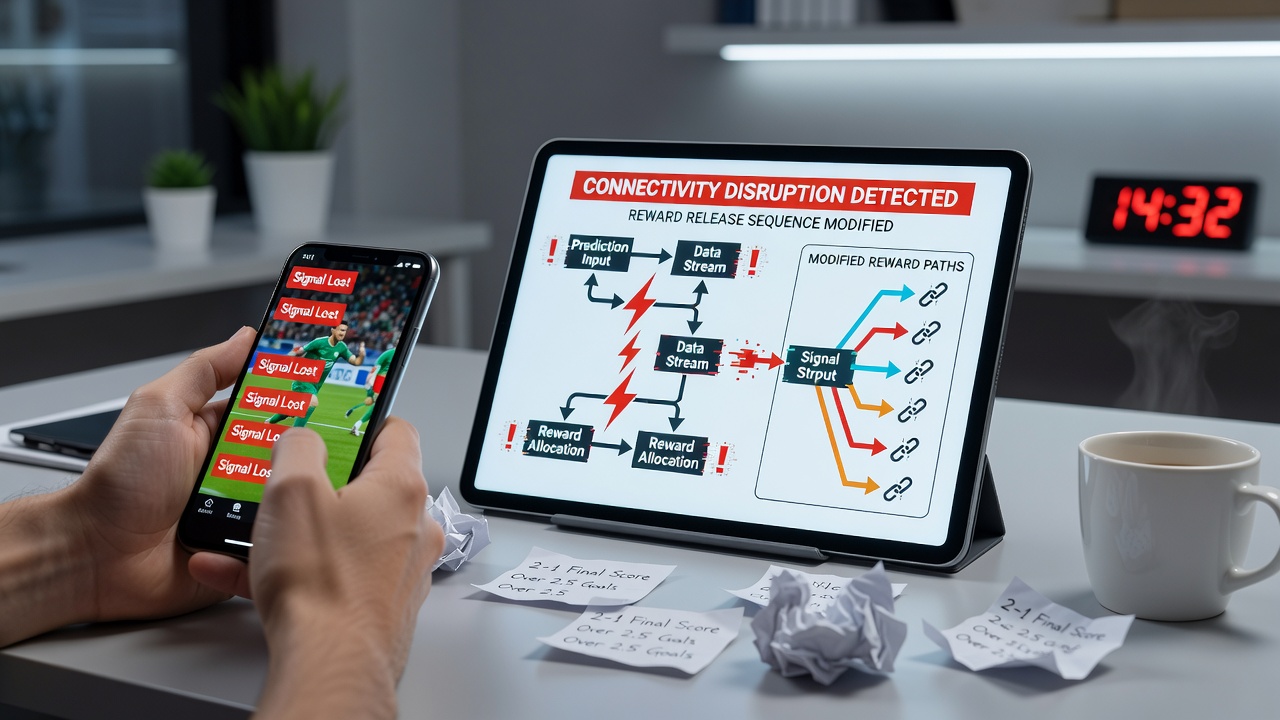
What's interesting is how these adjustments interact with existing regulatory requirements in different jurisdictions. Australian state authorities, for instance, require timestamped audit trails for all reward releases, which means platforms must log both the original prediction time and the actual delivery time after any disruption. This dual logging creates additional processing steps that further modify release sequences when connectivity returns in batches rather than steadily.
Impact on User Behavior and Forecast Accuracy
Users who monitor reward timelines closely have adjusted their prediction strategies to account for possible reordering, often submitting forecasts earlier in match windows to secure earlier queue positions once networks recover. Evidence from platform analytics shows a measurable uptick in pre-match submissions during periods of known cellular congestion near venues, while in-play forecasting volumes dip when signal reliability forecasts are poor. Those tracking these trends note that the behavioral shift concentrates activity in the hours before kickoff, reducing the density of last-minute handheld submissions that historically relied on stable connections.
Conclusion
Connectivity disruptions continue to modify reward release sequences for soccer forecasters on handheld interfaces through a combination of technical queuing rules, regulatory logging demands, and regional network conditions. Data collected through August 2026 demonstrates that these changes affect timing consistency across platforms, prompting both technical upgrades and shifts in how users time their forecasts. As mobile infrastructure evolves, the relationship between signal stability and reward delivery order remains a measurable factor in soccer prediction markets worldwide.