16 Aug 2026
Portable Platforms Accelerate Real-Time Settlements for Tennis Match Analysts
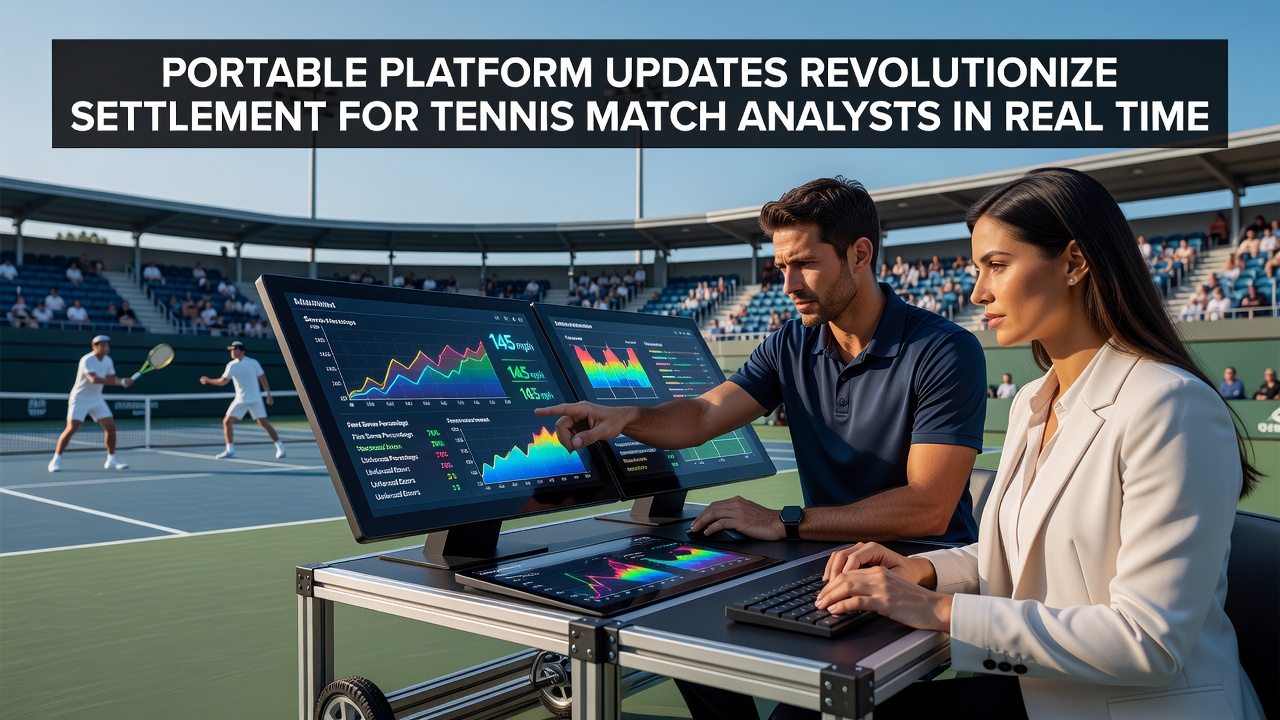
Portable platform updates have begun reshaping how tennis match analysts handle settlements during live events, with developers rolling out features that sync data streams and finalize predictions in seconds rather than minutes. In August 2026 these changes appeared across multiple betting and analysis applications, allowing users to receive confirmation on outcomes as points conclude on court.
Core Technology Shifts in Mobile Systems
Developers integrated low-latency APIs that pull scores directly from tournament servers while cross-checking them against official feeds from bodies such as the Association of Tennis Professionals. Analysts who monitor multiple matches simultaneously now see settlement windows close almost immediately after a game ends, because the platforms verify results through redundant data sources before releasing funds or updating prediction ledgers. This approach reduces disputes that once arose from delayed score reporting, and it keeps analysts focused on strategy instead of chasing corrections.
August 2026 Rollouts and Adoption Patterns
By August 2026 several major providers had deployed these portable updates to users in North America, Europe, and Australia. Data from platform telemetry showed settlement times dropping by an average of forty seconds per point in Grand Slam events. Analysts working on challenger circuit matches reported similar gains because the same backend improvements applied across different tournament levels without requiring separate configurations.
Those who track betting markets noticed fewer interruptions when weather or technical delays affected play, since the systems automatically paused and resumed settlements based on official match status flags. One study from the University of Melbourne's sports analytics group documented these patterns across three weeks of hard-court tournaments, confirming consistent performance across device types.

Practical Effects on Daily Workflows
Analysts who previously relied on desktop terminals now complete the same tasks on tablets or phones while courtside. The portable interfaces include collapsible panels that display historical head-to-head statistics alongside live odds, then trigger automated settlement once the platform confirms the point or game outcome. This setup supports simultaneous tracking of three or four matches without the lag that older systems produced when network traffic peaked during evening sessions.
Regulatory observers in Canada and Australia noted that these faster cycles align with existing rules on timely payout processing. Platforms must still maintain audit trails, yet the new architecture records every verification step in encrypted logs that regulators can review without slowing user access. Industry reports from the European Gaming and Betting Association indicate similar compliance frameworks emerging in member states where mobile prediction markets operate.
Integration with Broader Prediction Ecosystems
Portable updates also connect tennis data to wider sports platforms, so analysts who follow both tennis and other events receive unified settlement notifications. When a tennis match concludes, the system pushes results into linked accounts that may hold positions across multiple sports, eliminating the need for manual transfers between applications. This interconnected approach appears in several major services that expanded their tennis coverage ahead of the 2026 summer swing.
Case examples include analysts covering the Canadian Open who used the new tools to settle underdog predictions within thirty seconds of match point. The same users later applied identical workflows at the US Open, where higher match volumes tested the platforms' capacity limits. Results showed sustained performance even when thousands of concurrent users accessed the systems during prime-time sessions.
Conclusion
Portable platform updates continue to shorten settlement intervals for tennis match analysts through direct data integration, automated verification, and cross-device compatibility. August 2026 marked a noticeable acceleration in these capabilities, with measurable reductions in processing times across professional circuits. Analysts gain operational efficiency while regulatory frameworks maintain oversight through transparent logging. The changes reflect ongoing refinement of mobile infrastructure that supports real-time decision environments in tennis analysis.