5 Jun 2026
Regulatory Shifts in Digital Wallets Transform Payout Structures Across Global Cricket Markets
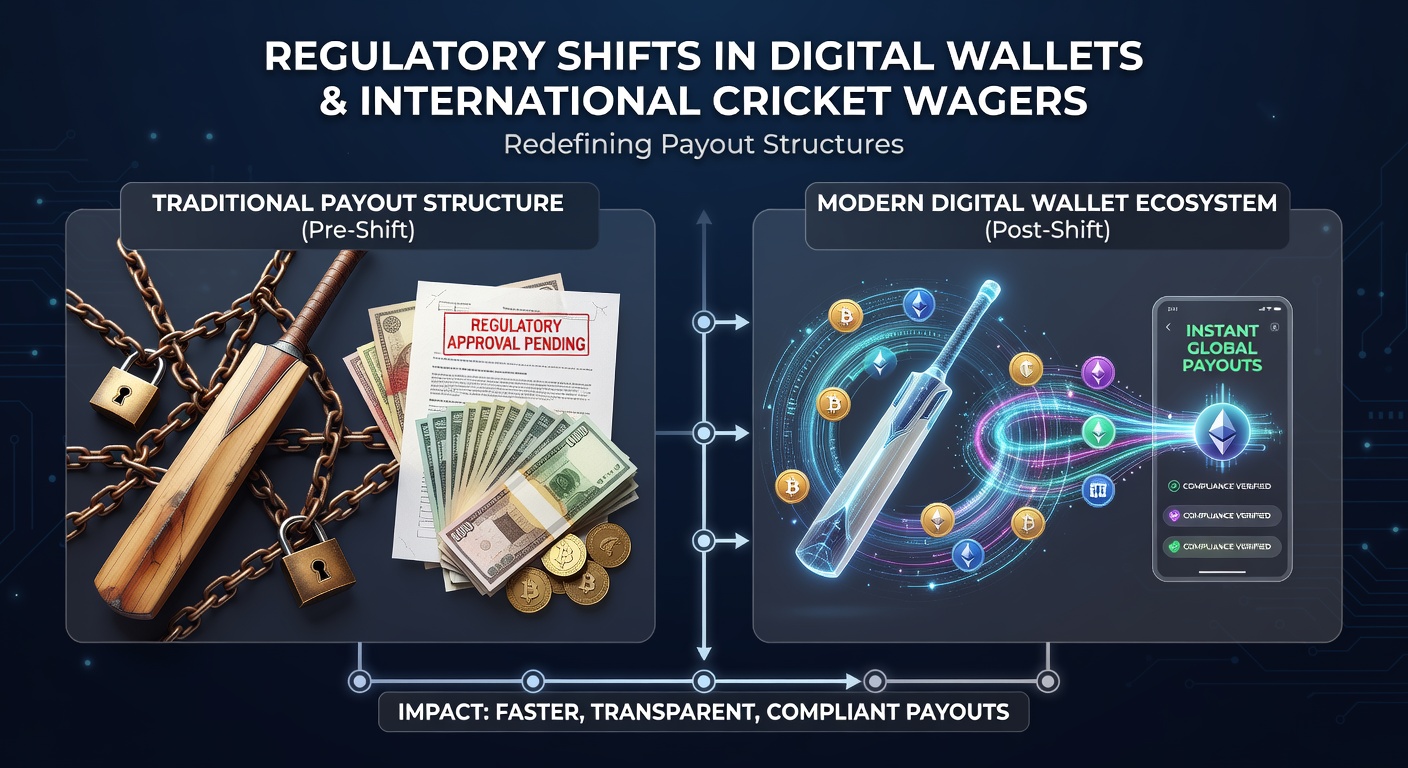
Digital wallet regulations have undergone significant revisions in multiple jurisdictions since early 2025, and these adjustments directly influence how operators process winnings from international cricket events. Jurisdictions with active cricket betting markets, including parts of Asia and the Caribbean, introduced updated licensing requirements for electronic payment providers that handle cross-border transactions. Data from industry monitoring groups shows these rules emphasize transaction verification steps and settlement timelines, which in turn affect the speed and method of fund disbursements to bettors.
Operators now integrate additional compliance layers into their systems because new mandates require proof of source of funds for transactions exceeding certain thresholds. This process extends the period between wager resolution and payout completion in some cases, while other platforms accelerate approvals through pre-verified wallet accounts. Cricket-specific betting volumes reported in the first half of 2026 indicate steady growth in mobile-based wagers, yet payout structures have diversified to accommodate varying regulatory frameworks across participating countries.
Key Regulatory Developments Affecting Cricket Wagers
Authorities in Australia and Singapore implemented enhanced digital payment oversight measures by March 2026 that apply to platforms facilitating bets on matches such as the Indian Premier League and international test series. These measures include mandatory reporting of high-value transfers and restrictions on anonymous wallet usage, which force betting services to route funds through regulated channels. Observers note that such changes reduce instances of delayed claims while introducing standardized fee structures for international transfers.
In regions where cricket enjoys strong popularity, regulators coordinated with financial institutions to align wallet protocols with anti-money laundering directives. This alignment produced new settlement windows that range from same-day processing for verified domestic accounts to multi-day reviews for overseas recipients. Figures from payment analytics services reveal a measurable uptick in the adoption of blockchain-linked wallets that satisfy transparency criteria, allowing operators to streamline cricket wager resolutions without violating cross-border rules.
Impact on Payout Timelines and Methods
Cricket betting platforms adjusted their disbursement schedules in response to these wallet policy updates, particularly for events spanning multiple time zones. Payouts tied to major tournaments now follow tiered verification protocols that prioritize accounts linked to licensed financial entities. Bettors using compliant digital wallets experience fewer interruptions during the claim process, whereas those relying on legacy systems encounter extended review periods.
Research from academic institutions tracking fintech adoption in sports markets indicates that regulatory emphasis on real-time monitoring has prompted operators to offer hybrid payout options combining traditional bank transfers with instant wallet credits. These options emerged prominently around June 2026 when several governing bodies finalized guidelines on electronic gaming payments. The resulting structures give users clearer expectations regarding fees and processing durations for international cricket outcomes.

Regional Variations in Wallet Compliance
Markets in the Caribbean and South Asia demonstrate distinct approaches to implementing digital wallet standards for cricket wagers. Caribbean regulators focused on consumer protection clauses that mandate clear disclosure of processing times, while South Asian frameworks prioritize integration with national digital payment ecosystems. These differences create varied payout experiences depending on the location of both the operator and the user.
Industry reports compiled by trade associations highlight how platforms serving global audiences maintain separate processing streams to accommodate each region's requirements. Data compiled through June 2026 shows increased usage of multi-currency wallets that automatically apply compliance filters based on transaction origin. Such adaptations help maintain operational continuity for cricket events that attract participants from diverse regulatory environments.
Technological Adaptations by Operators
Betting services responded to wallet regulation changes by upgrading their backend infrastructure to support automated compliance checks. These upgrades incorporate API connections with approved financial networks, enabling faster validation of cricket wager settlements. Several major platforms introduced dashboard features that display expected payout dates based on the user's wallet type and jurisdiction.
Evidence from payment technology studies suggests these adaptations reduce operational friction while aligning with evolving standards. Operators that invested early in compatible systems report higher user retention rates during peak cricket seasons, as bettors encounter fewer obstacles when accessing winnings from international fixtures.
Conclusion
Regulatory shifts in digital wallets continue to influence payout structures for international cricket wagers through updated verification requirements and settlement protocols. Platforms operating in this space have adapted by refining their systems to meet jurisdictional demands while preserving efficient fund transfers. Available data through mid-2026 illustrates ongoing adjustments across regions, with emphasis on transparency and compliance shaping future developments in cricket betting payments.