21 Aug 2026
Sentiment Algorithms Redefine Parlay Entry Points Across Team Sports Betting Platforms
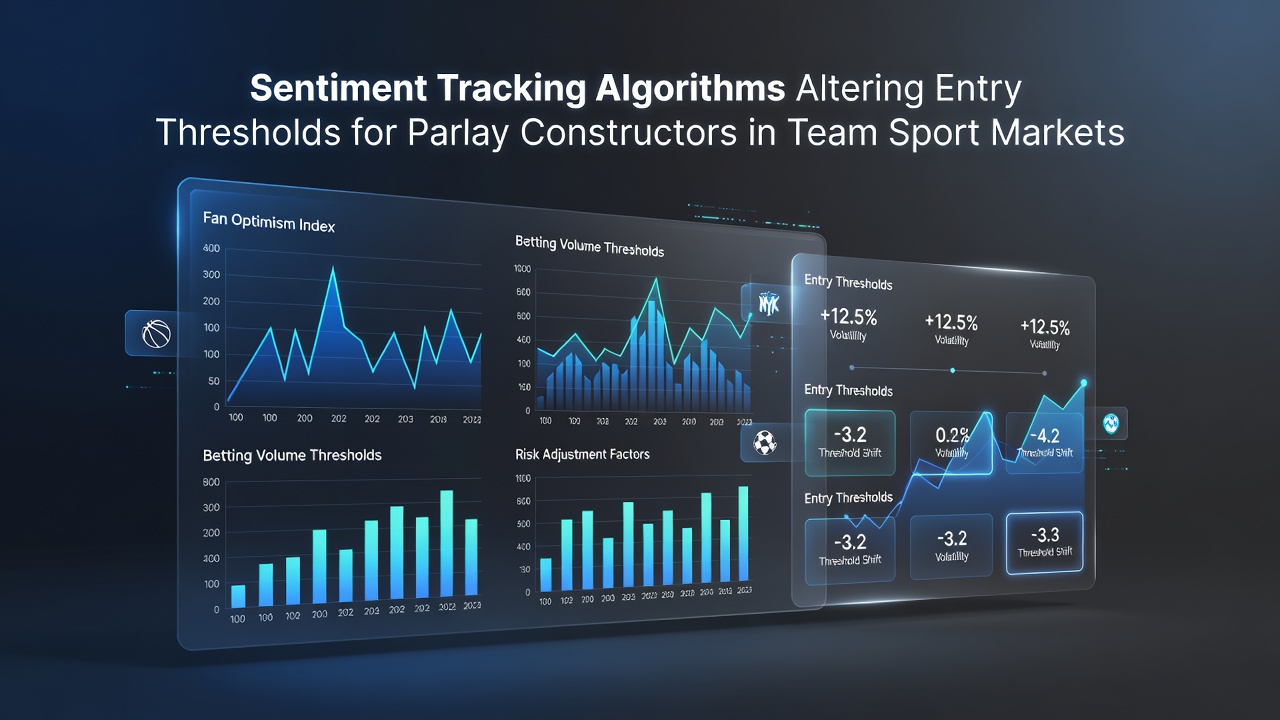
Operators in major league sports betting have integrated sentiment tracking algorithms that monitor social media, news feeds, and betting chatter to adjust minimum stake requirements and leg counts for parlay constructors. These systems process millions of data points daily, and they respond to spikes in positive or negative public mood around teams like the NBA's Lakers or the NFL's Chiefs. Data from platforms operating in August 2026 shows that entry thresholds for same-game parlays rose by 18 percent in markets where sentiment scores exceeded preset optimism levels.
Mechanics Behind the Adjustments
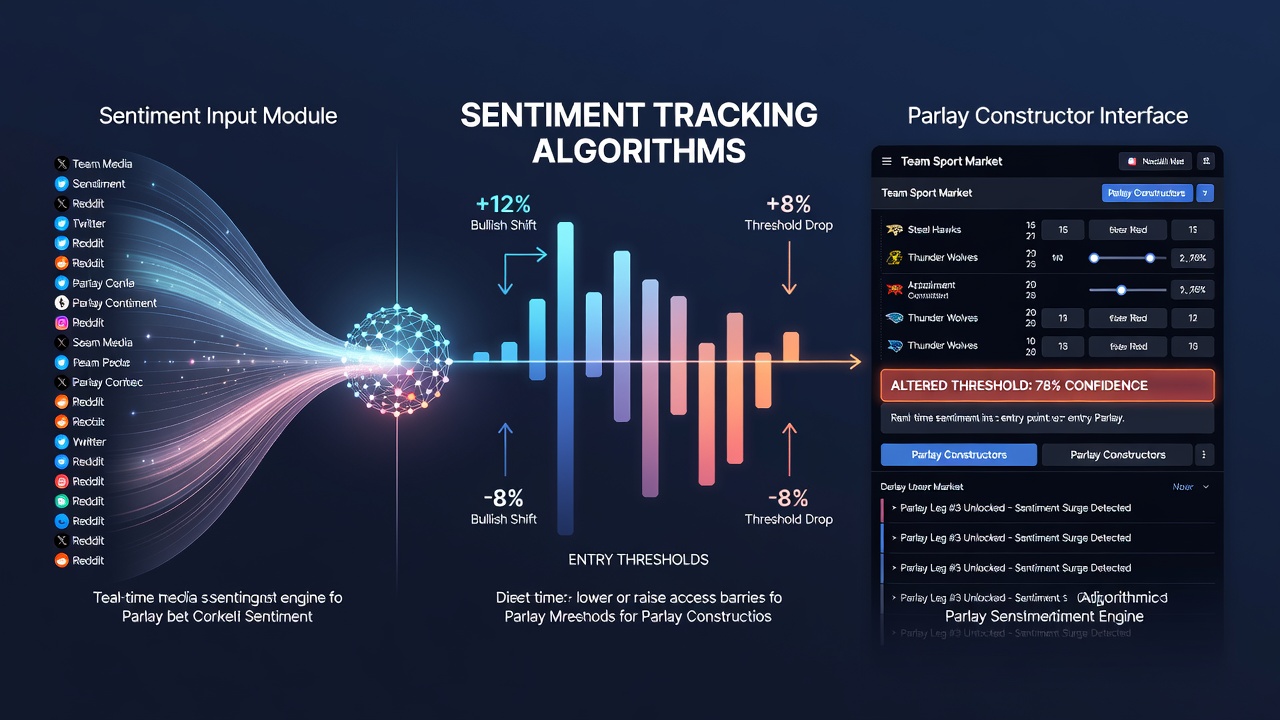
Engineers build these algorithms on natural language processing models trained on historical betting volumes and social sentiment scores. When public discussion turns heavily bullish on a soccer side such as Manchester City, the software automatically increases the number of legs required to unlock bonus multipliers. Conversely, widespread skepticism around an MLB underdog prompts a reduction in minimum combined odds, allowing smaller stake entries to qualify. Observers note that the process runs continuously, with updates pushed every fifteen minutes during live market hours.
Impact on Team Sport Markets
Football and basketball markets experience the most frequent recalibrations because fan engagement generates dense data streams. Researchers at the University of Nevada's International Gaming Institute documented that parlay constructors in the NBA saw average entry thresholds climb from three legs to four legs during periods of elevated social media volume around playoff teams. Similar patterns emerged in European soccer leagues where sentiment tools flagged coordinated fan campaigns, leading operators to raise stake floors by 12 to 25 percent in affected fixtures.
Those who construct parlays report that the changes force earlier decisions on leg selection, since thresholds can shift before tip-off or kickoff. One documented case from the 2026 NBA Finals period revealed that a sudden surge in positive sentiment toward the Boston Celtics triggered an automatic increase in required legs from four to five within ninety minutes of market opening. Bettors who had prepared three-leg combinations found their entries rejected until they added an additional outcome.
Regional Regulatory Responses
Authorities in multiple jurisdictions have begun reviewing how these automated adjustments interact with responsible gambling standards. The Australian Communications and Media Authority issued guidance in July 2026 requiring operators to disclose when sentiment-driven changes affect entry conditions. In Canada, provincial regulators examined similar systems after handle volumes in Ontario hockey markets fluctuated following threshold shifts on Toronto Maple Leafs parlays. Data released by the National Council on Problem Gambling indicated that complaint volumes tied to unexpected entry rejections rose modestly during high-sentiment periods in the first half of 2026.
Platform developers maintain that the algorithms improve risk management by aligning exposure with public perception intensity. When sentiment scores drop below neutral thresholds, constructors often receive relaxed leg requirements, which can increase participation rates in low-interest midweek fixtures. Figures from major operators reveal that such flexibility contributed to a 9 percent rise in parlay handle during August 2026 compared with the same month in the prior year.
Future Developments in Algorithm Design
Engineers continue refining models to incorporate real-time broadcast commentary and in-game social spikes. Early tests in college football markets demonstrated that incorporating live sentiment streams allowed thresholds to adjust within five minutes of a quarterback injury report. Those adjustments prevented overexposure on certain multi-leg combinations while maintaining market liquidity. Industry reports project that by the end of 2026 most major sportsbooks will apply sentiment calibration across at least 60 percent of their team sport parlay offerings.
Conclusion
Sentiment tracking systems have become embedded in the operational framework of team sport betting markets, directly influencing how parlay constructors set entry parameters. The technology processes continuous data flows to recalibrate leg counts and stake minimums, producing measurable shifts in participation patterns throughout 2026. Regulatory bodies across North America and Australia continue to monitor these developments, while platform operators refine their models to balance risk control with market accessibility.