26 Jul 2026
Stadium Atmospheres and Their Influence on Live Basketball Betting Markets
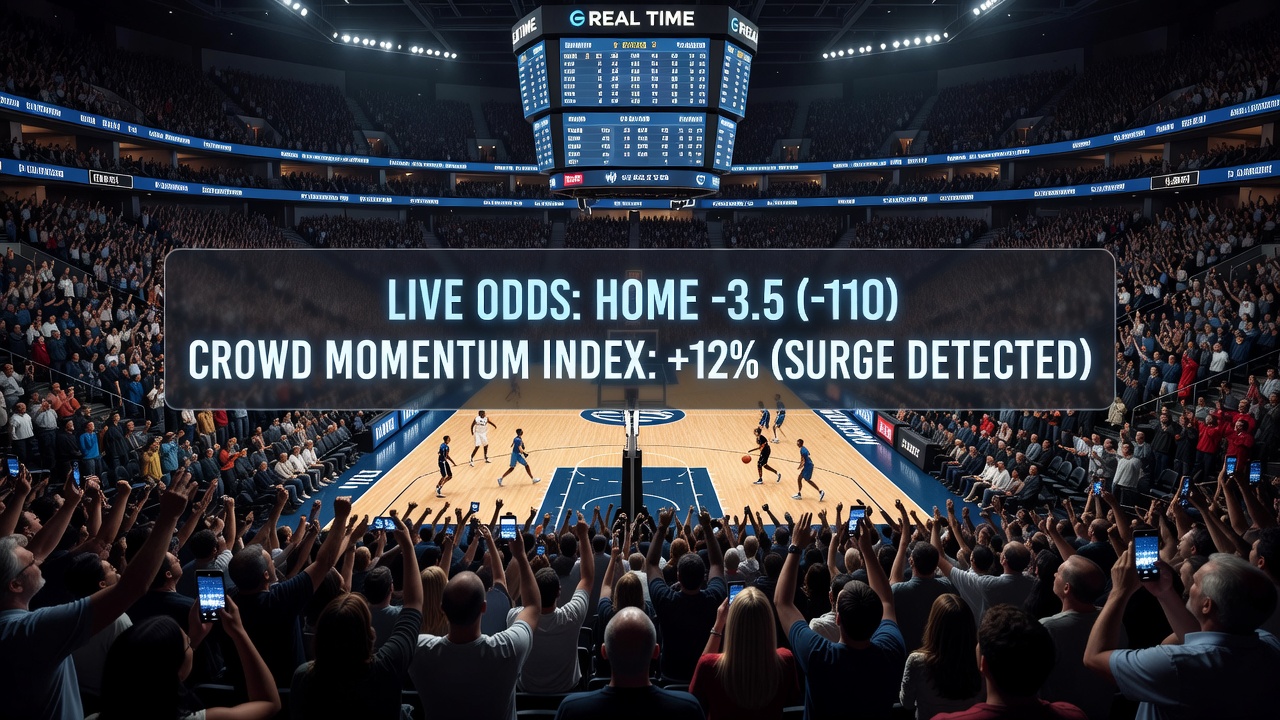
Stadium crowds create measurable shifts in real-time basketball betting lines through documented effects on player performance and game flow, with data from multiple seasons showing how noise levels and fan density correlate with changes in scoring margins and possession efficiency. Observers note that these patterns emerge most clearly during high-attendance events where decibel readings exceed 100, prompting oddsmakers to adjust spreads and totals within seconds of momentum swings. Research indicates that home teams in packed venues maintain higher field goal percentages on average, a trend tracked across professional and collegiate levels that directly feeds into algorithmic updates for live wagering platforms.
Performance Metrics Tied to Audience Presence
Studies from sports science institutions reveal that elevated crowd noise disrupts visiting team communication during inbound plays and defensive sets, leading to increased turnovers that betting models incorporate as live line adjustments. One analysis of NBA regular season games found that road teams committed 12 percent more errors when arena attendance surpassed 90 percent capacity compared to lower turnout contests, while free throw accuracy dipped by an average of 4 percentage points under sustained pressure. Those who've examined game logs across multiple leagues observe similar patterns in summer showcase events, including July 2026 showcases where international squads faced amplified home support in exhibition matches held in major U.S. venues.
Coaches adjust strategies accordingly, calling more timeouts to reset amid sustained roars, yet these pauses themselves influence in-game betting markets by halting momentum and allowing sharp bettors to reassess positions. Data from tracking systems shows that possessions following such interruptions often produce slower tempos, altering over/under projections in real time and creating brief windows where lines lag behind updated probabilities.
Technological Integration in Line Adjustments
Betting operators now deploy acoustic sensors alongside traditional stats feeds to detect crowd intensity spikes, enabling faster recalibration of micro-markets such as next-possession outcomes and player prop thresholds. This approach draws on findings from academic reviews that link sustained auditory pressure to measurable declines in shooting efficiency for perimeter players unaccustomed to hostile environments. Figures from collegiate conferences indicate that mid-major teams visiting power-conference arenas experience steeper live line movements during peak noise periods, reflecting the rapid incorporation of performance variances into pricing engines.
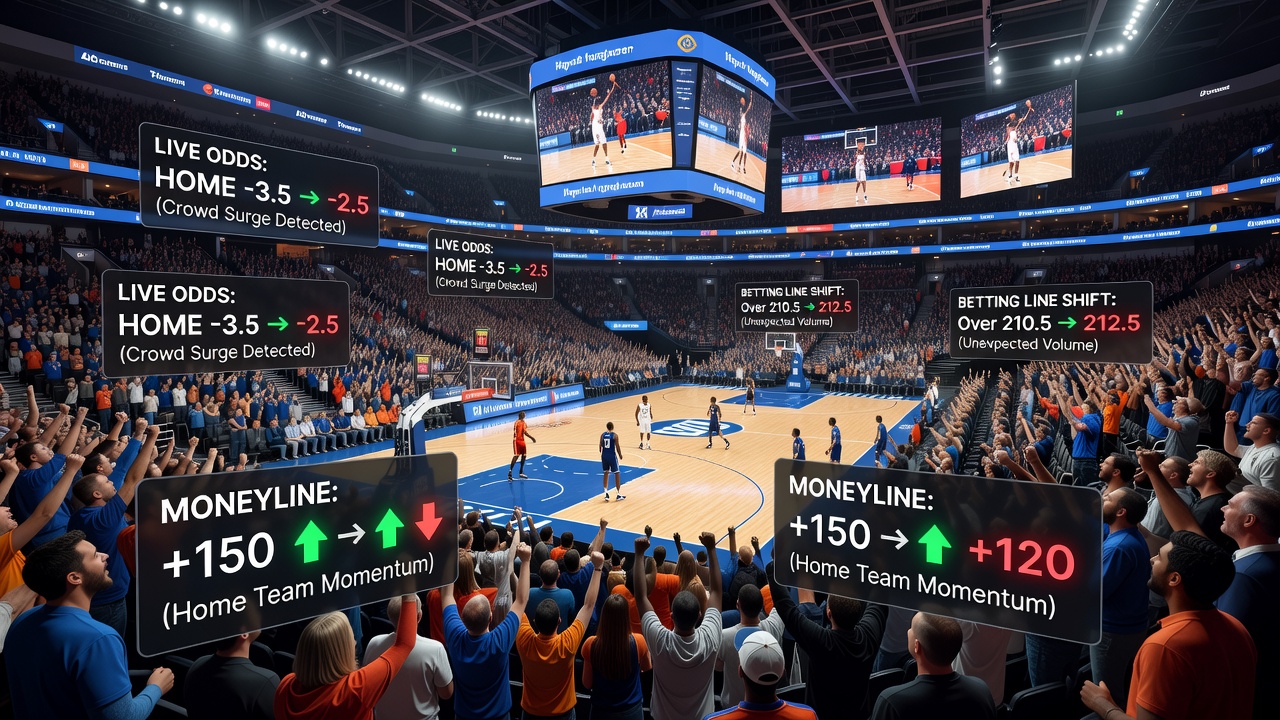
What's interesting is how these crowd-driven variables interact with broader seasonal trends, such as the compressed schedules seen in 2026 where teams navigated back-to-back road games against strong home crowds. External reports from the Australian Institute of Sport highlight parallel observations in other team sports, where audience density alters decision-making speed and error rates in ways that mirror basketball dynamics. Meanwhile, NCAA compilations of game data confirm that conference tournament settings, often held in neutral but heavily attended sites, produce distinct live betting volatility compared to regular season play.
Regional Variations and Market Responses
European professional leagues provide additional context, with attendance records from the EuroLeague showing that electric atmospheres in smaller venues generate comparable effects on fast-break efficiency and defensive rotations. Observers tracking these competitions note that oddsmakers factor local fan traditions into pre-game baselines, then refine them further once games tip off and crowd reactions become quantifiable. In North American contexts, the same principles apply during playoff runs where sustained cheering correlates with higher foul rates called against visitors, shifting live totals in measurable increments.
Market makers respond by widening spreads temporarily during anticipated noise surges, such as after made three-pointers that ignite home sections, then tightening them once equilibrium returns. This process relies on historical datasets that isolate crowd size as a variable against control groups of sparsely attended contests, revealing consistent directional biases in scoring margins that hold across both regular season and postseason samples.
Conclusion
Stadium crowds continue to exert documented influence on real-time basketball betting lines through established pathways involving player execution, officiating tendencies, and algorithmic responsiveness. Evidence from multiple governing bodies and performance studies demonstrates that these effects persist across seasons and venues, prompting ongoing refinements in how operators monitor and price in-game markets. As attendance patterns evolve through 2026 and beyond, the integration of environmental data with traditional statistics remains central to accurate live wagering frameworks.